
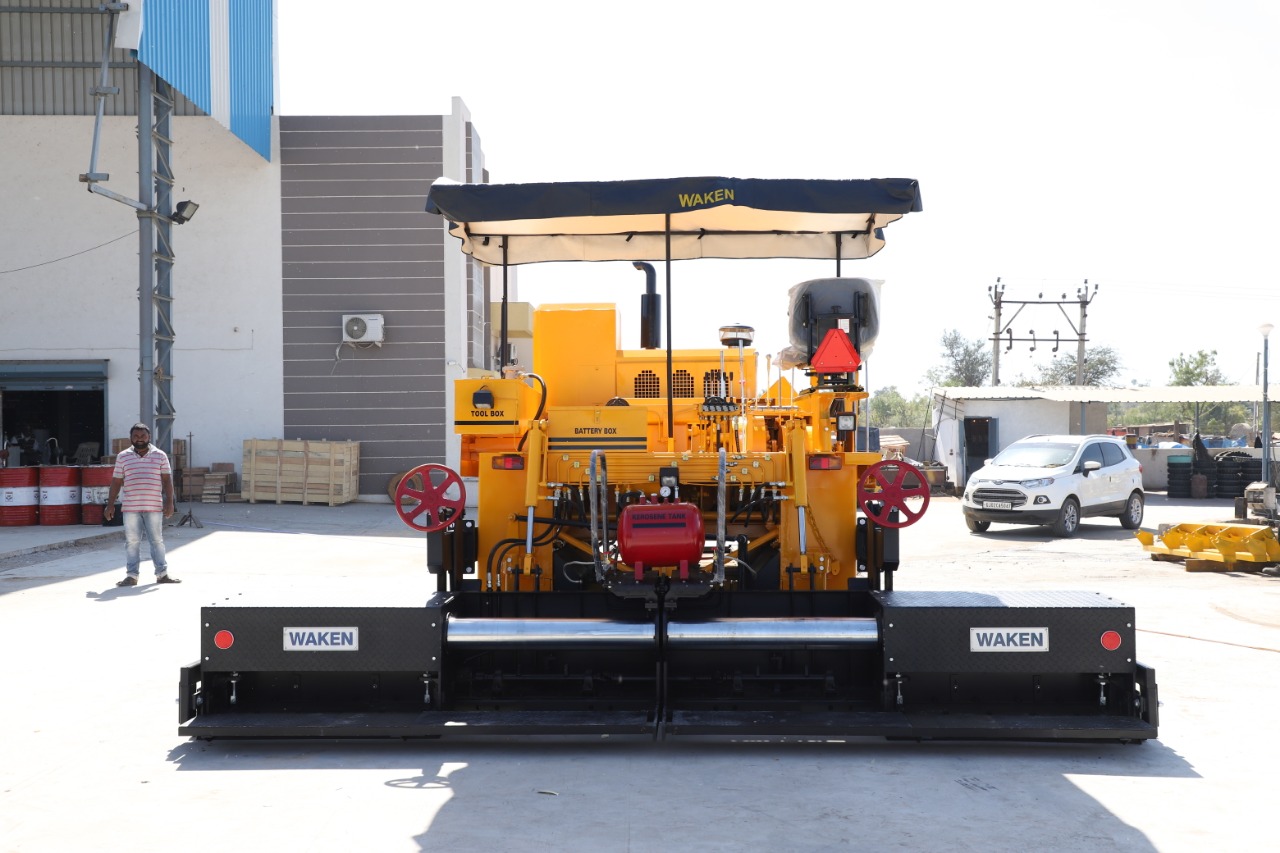
Introduction to Advanced Hydrostatic Sensor Paver
The Advanced Hydrostatic Sensor Paver represents the cutting-edge of asphalt and concrete laying machinery, specifically engineered for precision and productivity on major infrastructure projects across India. It integrates highly sophisticated sensing and electronic grade control with a powerful, smooth hydrostatic drive system. This combination ensures extremely accurate material placement and pavement uniformity, drastically reducing surface irregularities and material waste. Modern construction standards for national highways and expressways demand this level of precision, making the Advanced Hydrostatic Sensor Paver indispensable for contractors aiming for superior long-term pavement quality and efficiency. For further details on latest paving equipment models, please visit our site.
Working Principle and Process Flow of Advanced Hydrostatic Sensor Paver
The core mechanism of this paver centers on its closed-loop control system. Multiple ultrasonic or 3D sensors continuously scan a reference line (string line or virtual model), feeding data on vertical and lateral deviations to a central microprocessor. This system interprets the deviations and instantaneously adjusts the flow of hydraulic oil to the screed lift cylinders and the drive pumps. The hydrostatic drive allows for seamless, variable speed control without traditional gears, providing constant torque essential for smooth paving, while the sensor feedback ensures the screed maintains the perfect grade and slope in real time. This highly automated process guarantees a superior, uniform mat laydown, which is key to India's rapid road development; explore our range of hydrostatic road construction machinery.
Types of Advanced Hydrostatic Sensor Paver
- Tracked Hydrostatic Sensor Pavers: Preferred for high-volume projects requiring maximum traction, stability, and consistent material output on uneven terrain.
- Wheeled Hydrostatic Sensor Pavers: Best utilized for projects needing high mobility, faster transport between sites, and superior maneuverability in urban environments.
- High-Compaction Screed Pavers: Equipped with advanced screeds featuring tamping and vibration forces to achieve initial high density immediately behind the paver.
- Extended-Width Highway Pavers: Designed with hydraulic screed extensions to pave very wide lanes or runways in a single pass, enhancing production rates.
- 3D-Ready Paver Models: Specifically configured to integrate seamlessly with GPS/Total Station systems for complex, stringless paving geometries and digital designs.
Key Features and Specifications of Advanced Hydrostatic Sensor Paver
- Infrared Non-Contact Material Sensors: Automatically monitor material level in the hopper and feed system to ensure consistent flow to the screed.
- High-Torque Hydrostatic Transmission: Provides infinitely variable paving speeds and excellent traction control, crucial for precise starts and stops.
- Intelligent Engine Management System: Optimizes engine performance and fuel consumption based on paving load and hydraulic demand in real time.
- Ergonomic Operator Interface: Features dual operating consoles with clear digital displays for monitoring all grade, slope, and functional parameters.
- Heavy-Duty, Heat-Treated Screed Plate: Ensures long life and uniform material texture, capable of handling high temperatures from asphalt mixes effectively.
Applications of Advanced Hydrostatic Sensor Paver
- Construction of National Expressways and Major Highways: Essential for meeting the high-quality ride index (IRI) and geometric standards required for multi-lane, high-speed corridors, ensuring superior road longevity and safety for commuters.
- Airport Runway and Taxiway Paving: Utilized where extremely tight flatness tolerances are mandated by aviation safety regulations, ensuring the pavement can handle heavy aircraft loads and maintain even surface drainage, minimizing Foreign Object Damage (FOD).
- Large Industrial and Port Pavements: Provides exceptionally flat and dense surfaces needed for heavy container handling and logistics operations where surface stability and high load-bearing capacity are paramount for long-term use.
- Urban Development and Municipal Road Projects: Highly effective in city limits for achieving precise curb and gutter match-ups, consistent utility cuts, and accurate transitions, while the compact design allows for better maneuverability in congested areas.
Benefits of Using Advanced Hydrostatic Sensor Paver
- Superior Fuel Efficiency and Reduced Emissions: The optimized hydrostatic drive and intelligent engine control significantly lower operational costs and improve environmental compliance compared to mechanical pavers.
- Achieves Higher Pavement Quality Index (PQI): Automated grade and slope control ensure minimal deviation from design specifications, resulting in smoother roads, reduced maintenance costs, and increased motorist satisfaction.
- Exceptional Reliability and Less Downtime: The absence of clutches and mechanical transmissions in the hydrostatic system results in fewer wearing parts, leading to prolonged operational life and reduced maintenance intervals.
- Enhanced Safety and Ease of Operation: Intuitive controls and better visibility improve the operator's control over the machine, reducing fatigue and minimizing the risk of errors during continuous, high-speed paving operations.
Top Manufacturers and Suppliers in India
India’s infrastructure boom has led to strong market competition for Advanced Hydrostatic Sensor Pavers, with offerings from both globally recognized original equipment manufacturers (OEMs) and reputable domestic players. Major international brands typically lead the segment for high-capacity, highly automated pavers used on flagship highway projects. Simultaneously, local manufacturers are excelling by providing reliable, mid-range hydrostatic pavers tailored to Indian operating conditions, emphasizing robust construction and easy access to parts and technical service. The critical factor for selection is the quality of after-sales support, including sensor calibration and hydraulic system maintenance training, which ensures the paver maintains its high-precision capability throughout its lifecycle on challenging and diverse job sites.
Maintenance and Safety Tips
- Regularly inspect and top up hydrostatic oil filters and fluid levels as recommended by the paver manufacturer's manual.
- Check the sensor mounting brackets and wiring harnesses daily for tightness and damage to prevent signal loss during paving.
- Keep the screed heaters functional and verify temperature settings to achieve optimal mat density and surface texture.
- Ensure operators strictly adhere to minimum safe distances from the paver's moving parts and the hot screed during operation.
- Periodically check the paver's tracks or tires for even wear and correct tension to maintain smooth, consistent travel speed.
FAQs – Advanced Hydrostatic Sensor Paver
Contact Details
Talk to our specialists today for tailored solutions and fast assistance.