
Introduction
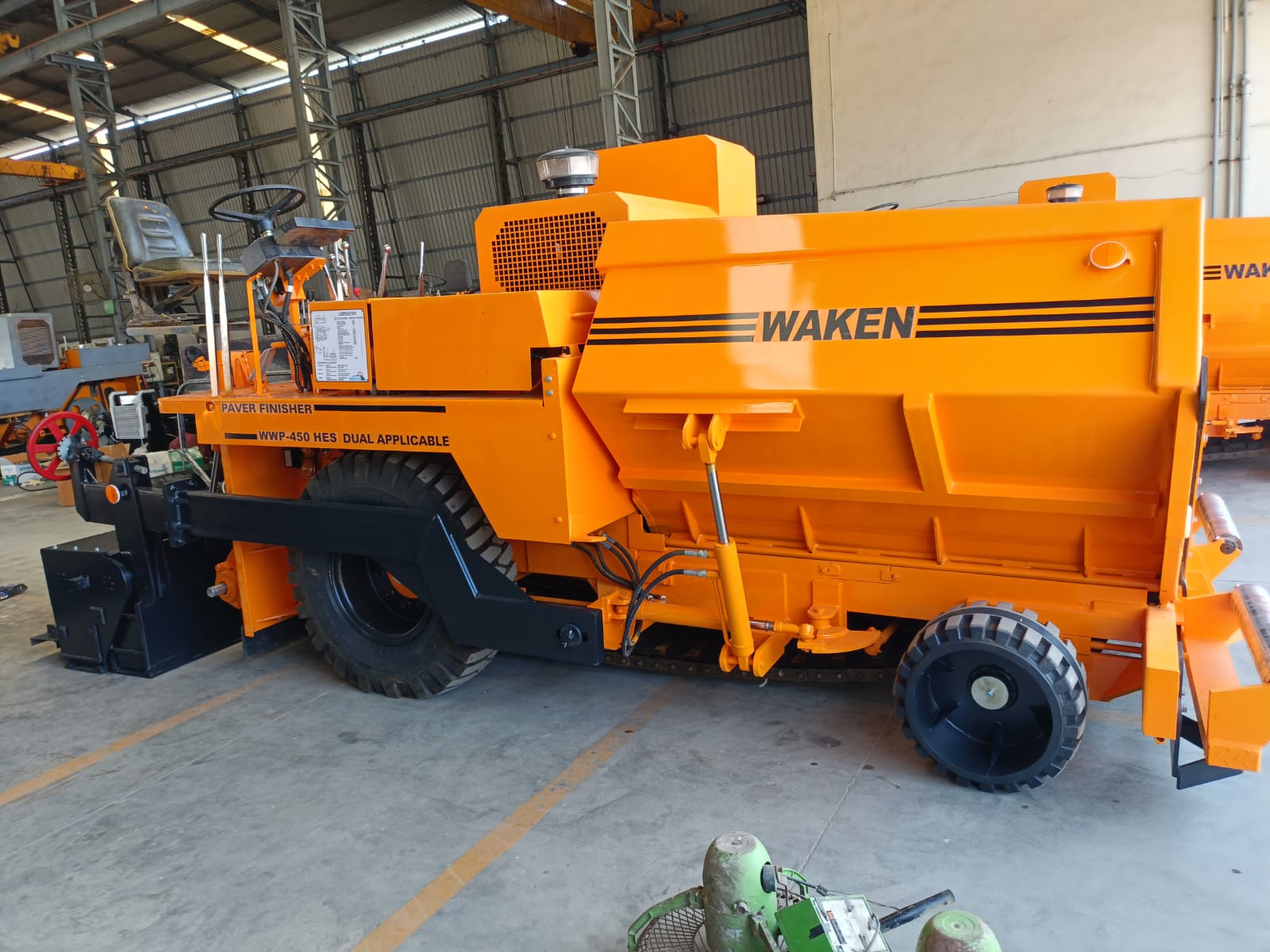
An Asphalt Mechanical Paver Finisher is a vital construction machine used for laying asphalt on roads, bridges, and parking lots. Engineered for precision and performance, it evenly spreads, shapes, and compacts asphalt to create smooth, durable surfaces. These machines are essential for modern road-building projects that demand efficiency and reliability.
Application Area
-
National highways and expressways
-
City roads and municipal streets
-
Industrial area roadways
-
Airport runways and taxiways
-
Rural and village road construction projects
Uses Material and Features
Materials Used:
-
Heavy-duty steel body
-
Hydraulic components
-
Anti-corrosive alloys for key parts
Features:
-
Mechanical or hydrostatic transmission options
-
Adjustable screed width
-
Hopper with folding wings for continuous asphalt flow
-
Efficient auger and conveyor system
-
Operator-friendly dashboard and controls
-
High road surface finishing accuracy
Benefits
-
Ensures uniform asphalt laying and compaction
-
Reduces manual labor and project time
-
Easy to operate and maintain
-
Robust build ensures long operational life
-
Ideal for high-volume paving work
-
Minimizes material wastage and enhances project cost-efficiency
Conclusion
The Asphalt Mechanical Paver Finisher is a cornerstone of modern infrastructure development, helping create smooth, safe, and long-lasting roads. Its precision, power, and reliability make it an indispensable choice for contractors and government bodies alike.
FAQs
Q1: What is the capacity of an Asphalt Mechanical Paver Finisher?
A: Capacities vary by model but typically range from 100 to 300 tons/hour.
Q2: What type of fuel does the paver use?
A: Most machines operate on diesel engines known for their power and efficiency.
Q3: Can it work on hilly terrain?
A: Yes, advanced models come with features that support operation on slopes.
Q4: Is it suitable for narrow roads?
A: Yes, many pavers come with adjustable screed widths for various applications.
Q5: How often does it require maintenance?
A: Routine servicing is recommended after every 300-500 hours of use, depending on workload and environment.
Tag list