
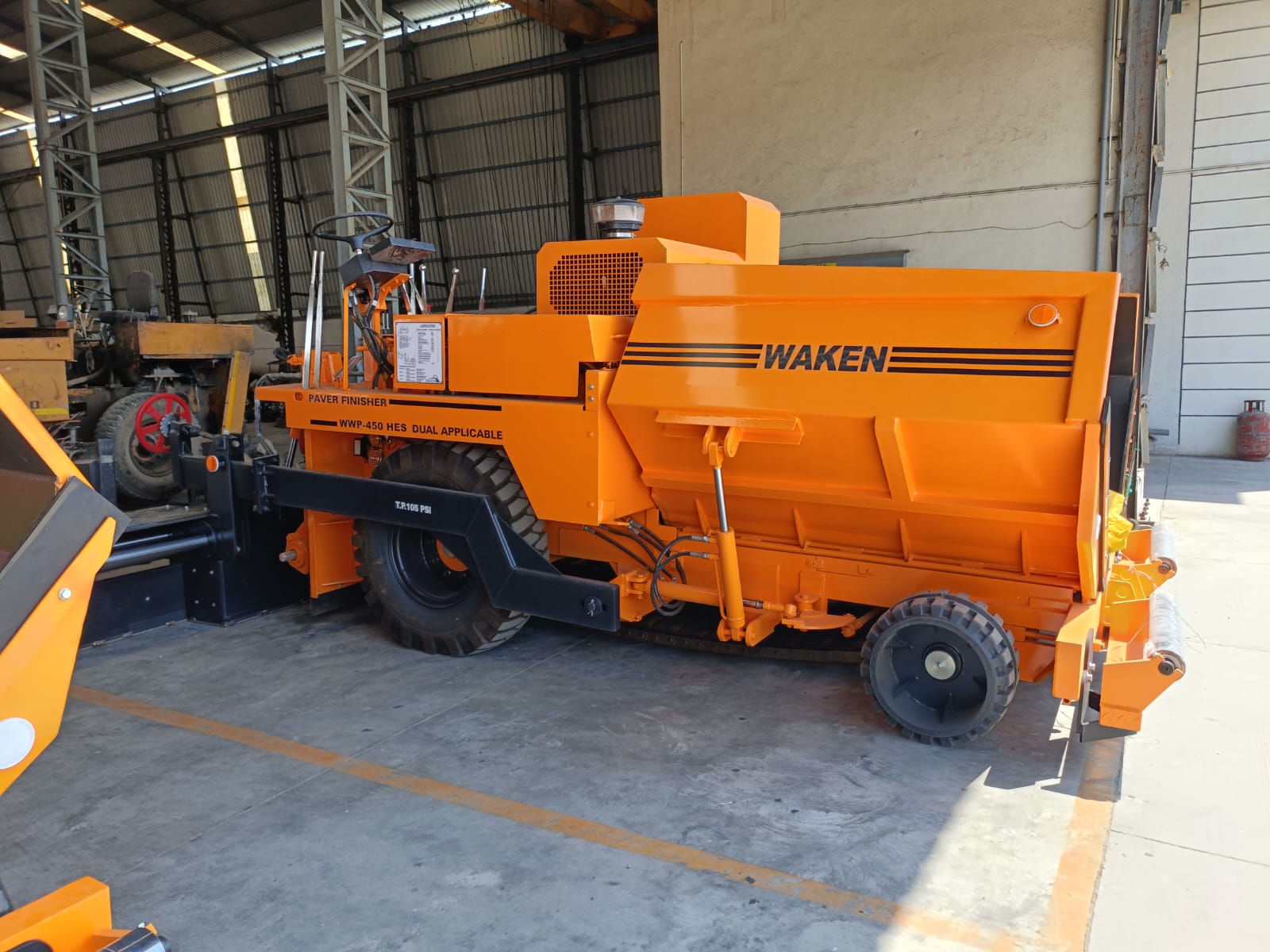
Asphalt Paver Finisher
An Asphalt Paver Finisher is a vital piece of heavy machinery used in road construction and maintenance. It plays a crucial role in laying smooth and even layers of asphalt on roadways, highways, parking lots, and other paved surfaces. The paver finisher distributes, levels, and compacts the asphalt mix, ensuring a durable, high-quality surface. Below is a detailed guide covering the best applications, features, uses, and an FAQ section for the asphalt paver finisher.
Best Applications
Asphalt paver finishers are used in a variety of construction and infrastructure projects. Some of the best applications include:
-
Road Construction
-
The primary use of an asphalt paver finisher is in road construction. It’s essential for laying down layers of asphalt on highways, streets, and local roads. The machine helps achieve a smooth, uniform surface that can withstand high traffic volumes and environmental conditions.
-
-
Paving of Parking Lots
-
Asphalt pavers are used to lay down smooth surfaces in parking lots and driveways, ensuring durability and a professional finish. The machine is capable of handling both small and large areas efficiently.
-
-
Airport Runways and Taxiways
-
Asphalt finishers are crucial in the construction of runways and taxiways at airports. The heavy-duty machines ensure that the paving is done with high precision and quality, meeting the strict standards required for such critical infrastructure.
-
-
Urban Road Maintenance and Repair
-
In urban settings, asphalt paver finishers are used for resurfacing roads, patching potholes, and making repairs to ensure roadways are safe and functional.
-
-
Rural Roads and Highways
-
Paver finishers are also used in rural road construction where the road surface needs to be durable and capable of handling both local traffic and harsh weather conditions.
-
-
Sports Complexes and Recreational Facilities
-
Asphalt paver finishers are also employed in the construction of tracks, tennis courts, and other recreational surfaces where smooth and even surfaces are required for safety and performance.
-
-
Bridges and Overpasses
-
The precision and quality of the paver finisher are important for ensuring that the asphalt on bridges and overpasses is laid evenly and securely, particularly when combined with other specialized paving equipment.
-
Key Features
An asphalt paver finisher is designed with various features to ensure smooth and high-quality paving. Here are the key features of modern asphalt pavers:
-
Automatic Leveling and Slope Control
-
Asphalt pavers are equipped with sensors and automated systems that control the level and slope of the asphalt surface. These systems help ensure that the paver finishes with consistent thickness and smoothness, regardless of the terrain.
-
-
High-Performance Screed
-
The screed is a key component of the paver that controls the smoothness of the finished surface. Modern paver finishers feature high-performance, adjustable screeds that ensure an even and high-quality finish, with the option to adjust width and thickness on the fly.
-
-
Hydraulic Drive System
-
The hydraulic drive system offers precise control over the movement of the paver, ensuring smooth operations. The system allows the paver to be powered efficiently, making it suitable for large projects requiring continuous, uninterrupted paving.
-
-
Enhanced Material Handling
-
Asphalt pavers are designed to efficiently handle the continuous flow of hot asphalt from the delivery trucks into the hopper. The materials are then evenly distributed and leveled over the surface. Some pavers come with augers and conveyors to assist with the smooth transfer of materials.
-
-
Paving Width and Adjustment
-
Most paver finishers are equipped with an adjustable paving width that allows for varying the width of the paved surface. This feature makes the machine versatile for projects of different sizes, from narrow roads to wide highways.
-
-
Vibration System
-
A vibration system incorporated in the screed ensures optimal compaction and leveling of the asphalt as it is laid down. This feature helps to reduce air pockets and ensures the finished surface is firm and durable.
-
-
Maneuverability and Mobility
-
Asphalt pavers are designed with high mobility in mind, allowing them to work in tight spaces and difficult terrain. Many models feature rear-wheel drive for added stability and traction on various surfaces.
-
-
Advanced Control Systems
-
Modern asphalt pavers come with advanced control systems that allow the operator to monitor and adjust key parameters, such as material flow, paving speed, and temperature, for optimum results.
-
-
Safety Features
-
Asphalt pavers come with safety features such as emergency stop buttons, hazard lights, and operator cabins designed to protect the driver from hot asphalt and other environmental hazards.
-
Uses
The primary function of an asphalt paver finisher is to lay down smooth, even layers of asphalt for roadways and other surfaces. Some of the specific uses include:
-
Even Distribution of Asphalt
-
The paver evenly distributes asphalt across the surface, ensuring a consistent thickness throughout the entire area. This is crucial for the durability of the road and its ability to withstand wear and tear over time.
-
-
Compaction and Surface Quality
-
Asphalt pavers assist in compacting the asphalt as it is laid, ensuring the surface is strong, durable, and uniform. The quality of compaction directly affects the longevity and performance of the paved surface.
-
-
Creating Smooth Road Surfaces
-
The paver finisher ensures that the surface is smooth, which is critical for the safety and comfort of vehicles traveling over the surface. A rough, uneven surface can cause damage to vehicles and create hazardous driving conditions.
-
-
Customization of Surface Thickness
-
The ability to adjust the thickness of the asphalt layer is essential in different construction applications. Whether it’s a highway or a parking lot, the paver can create the desired thickness for the specific purpose.
-
-
Cost-Effective Road Construction
-
By automating much of the paving process, asphalt pavers reduce the need for manual labor, which helps speed up the paving process and reduces costs associated with road construction.
-
FAQ
1. What is an asphalt paver finisher used for?
-
An asphalt paver finisher is used to lay down smooth, even layers of hot asphalt on roads, highways, parking lots, and other paved surfaces. It distributes, levels, and compacts the asphalt to create a durable surface.
2. How does an asphalt paver finisher work?
-
The paver finisher works by receiving hot asphalt from trucks, feeding it into the hopper, and then spreading it evenly across the surface. The screed at the back of the machine levels and compacts the material to the desired thickness and smoothness.
3. Can an asphalt paver be used for resurfacing roads?
-
Yes, asphalt pavers are commonly used for resurfacing existing roads. The machine can lay a new layer of asphalt over an old surface to restore its smoothness and structural integrity.
4. What is the difference between an asphalt paver and a road roller?
-
An asphalt paver is used to lay down and spread the asphalt, while a road roller (also called a compactor) is used to compact the asphalt after it has been laid down by the paver. Both machines are crucial in the road construction process, with the paver ensuring even distribution and the roller providing compaction.
5. How do you maintain an asphalt paver finisher?
-
Regular maintenance includes checking and changing oil, inspecting hydraulic systems, cleaning the hopper and screed, and ensuring the paver’s tracks or wheels are properly lubricated. Maintenance also involves checking the sensors and control systems for proper function.
6. What are the benefits of using an asphalt paver finisher?
-
The main benefits of using an asphalt paver finisher include increased paving speed, uniform distribution and compaction of asphalt, improved surface quality, and reduced labor costs. The machine also enhances precision and helps extend the lifespan of the paved surfaces.
7. What factors should be considered when choosing an asphalt paver?
-
When choosing an asphalt paver, consider factors such as the size of the project, the required paving width, the type of terrain, the desired compaction quality, and the availability of technical support for the equipment.
8. Can an asphalt paver finish any type of pavement?
-
Asphalt pavers are primarily designed for asphalt paving. For different types of pavement, such as concrete, other specialized equipment is used. However, asphalt pavers are highly versatile and can handle various surface types like highways, urban streets, and large parking lots.
Conclusion
Asphalt paver finishers are essential machines for modern road construction, providing efficient and reliable solutions for paving a wide variety of surfaces. Their versatility, precision, and ability to handle large volumes of asphalt make them a critical component of road construction and maintenance projects worldwide. By understanding the features, applications, and uses of asphalt paver finishers, operators can ensure high-quality paving and achieve long-lasting road surfaces.