
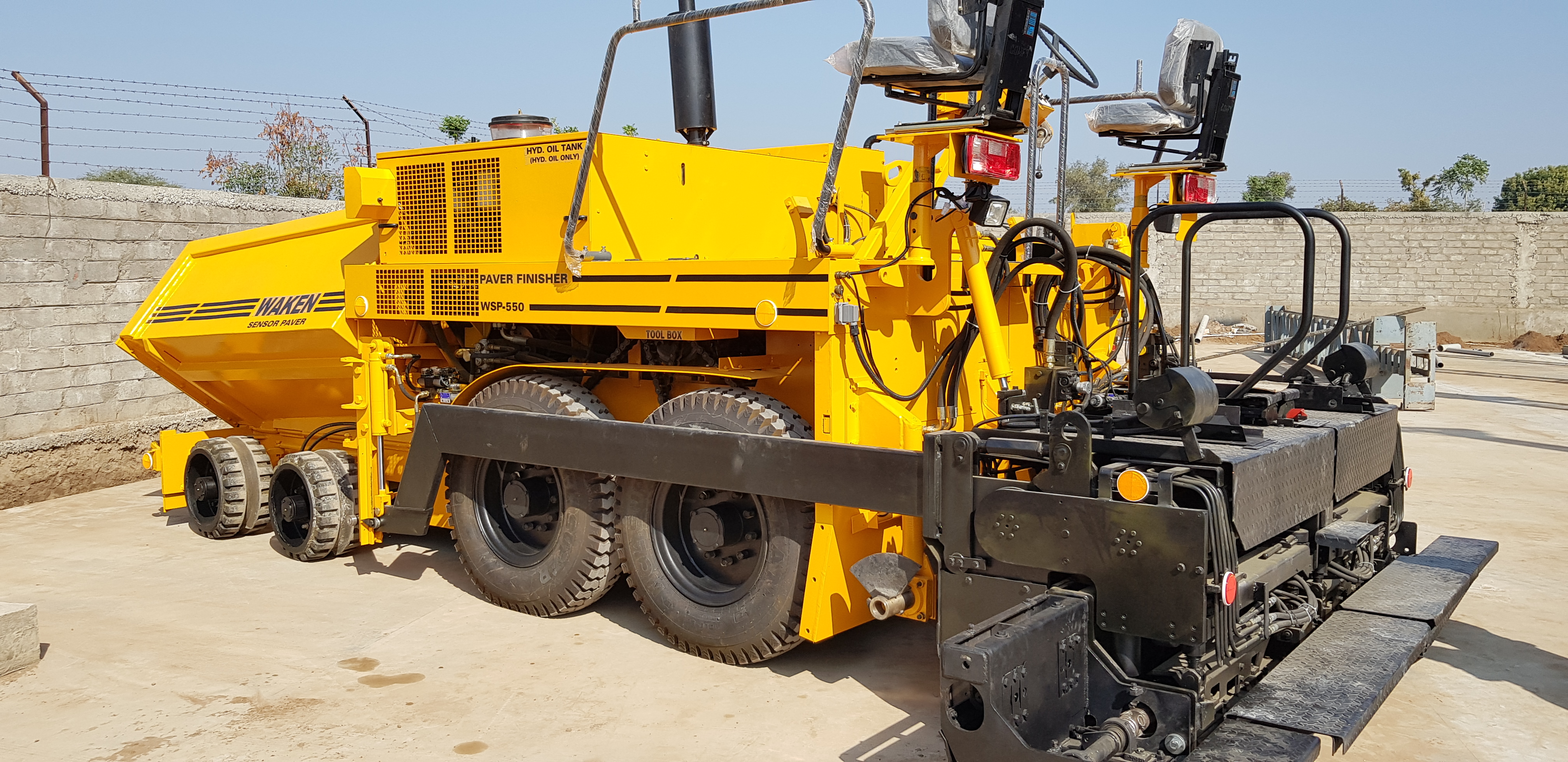
Introduction to Hydrostatic Sensor Technology for Paver Finisher
The Hydrostatic Sensor Technology for Paver Finisher represents a critical advancement in modern road construction, ensuring superior road profile and surface smoothness. This sophisticated system utilizes non-contact sensors to continuously monitor and control the material thickness and screed slope with exceptional precision. By automating adjustments, it significantly reduces manual intervention, leading to higher paving speeds and reduced material waste on critical projects across India. It is essential for achieving the stringent quality standards mandated for national highways and expressways, delivering consistent results that manual methods cannot match. Learn more about advanced paving solutions in India.
Working Principle and Process Flow of Hydrostatic Sensor Technology for Paver Finisher
The technology functions by employing multiple sensors—typically ultrasonic or mechanical grade sensors—to establish a reference plane, which can be a string line, existing pavement, or a joint. These sensors measure the deviation between the desired level and the actual screed position. The resulting signal is fed into a hydrostatic control unit, which instantly actuates the hydraulic cylinders attached to the screed. This automatic, real-time feedback loop constantly adjusts the screed's height and angle to maintain the exact desired grade and cross-slope, even on uneven subgrades. This process ensures accurate material placement, which is key to long-lasting infrastructure; understand the importance of this control by viewing our heavy equipment inventory.
Types of Hydrostatic Sensor Technology for Paver Finisher
- Single Contact Sensor Systems: Ideal for projects that require maintaining grade from a single reference line, offering basic but reliable performance.
- Dual Grade and Slope Control: Utilizes two sensors and a slope sensor for highly accurate control of both elevation and cross-slope, necessary for high-quality paving.
- Non-Contact Ultrasonic Sensing: Best suited for high-speed paving where a virtual reference is created, minimizing wear and ensuring consistent results on varied surfaces.
- Mechanical and Electric Averaging Beams: Used to average out surface irregularities over a longer span, providing smoother control over grade variations.
- 3D GPS/Total Station Systems: Advanced systems that eliminate string lines entirely, allowing for complex geometries and faster setup times on major highway projects.
Key Features and Specifications of Hydrostatic Sensor Technology for Paver Finisher
- High-Precision Accuracy: Maintains paving tolerances typically within $\pm 2$ mm deviation from the specified grade, ensuring superior ride quality.
- Real-Time Automated Feedback: Continuously monitors grade and slope inputs, instantly adjusting the screed's hydraulic cylinders for dynamic control.
- Multi-Sensor Capability: Supports integrating up to four sensors simultaneously for complex averaging and comprehensive control over material laydown.
- User-Friendly Control Interface: Features digital displays and intuitive controls for easy setup, calibration, and monitoring by the paver operator on-site.
- Robust, Weather-Resistant Design: Built with durable components to withstand harsh environmental conditions and high vibrations common on Indian construction sites.
Applications of Hydrostatic Sensor Technology for Paver Finisher
- National Highway and Expressway Construction: Critical for achieving the required profile and ride comfort standards on high-speed roads, minimizing the need for costly corrective milling later on.
- Airport Runways and Aprons: Ensures the extremely tight flatness tolerances necessary for safe aircraft operation and extended pavement life, often mandated by aviation authorities.
- Urban Road and Street Paving: Allows pavers to accurately follow complex urban profiles, including maintaining cross-slope for drainage and matching manhole covers with precision, reducing manual labor.
- Industrial Yards and Commercial Areas: Provides a high-quality, level surface for areas subjected to heavy traffic or precise stacking, enhancing operational efficiency and equipment stability.
Benefits of Using Hydrostatic Sensor Technology for Paver Finisher
- Optimized Material Consumption: Precisely controls the mat thickness, reducing over-paving and saving significant costs on expensive asphalt or concrete mixes, leading to high return on investment.
- Unmatched Pavement Smoothness: Guarantees superior uniformity in grade and slope, resulting in better rideability, reduced vehicle wear, and compliance with the most stringent project specifications.
- Increased Operational Speed and Efficiency: Automated adjustments allow the paver to operate at maximum efficiency without stopping for manual corrections, significantly accelerating project completion timelines.
- Reduced Operator Fatigue and Errors: Minimizes the continuous adjustments traditionally required from operators, improving site safety and ensuring consistent quality regardless of shift changes or experience level.
Top Manufacturers and Suppliers in India
The adoption of Hydrostatic Sensor Technology for Paver Finishers in India is driven by both global heavy equipment giants and specialized domestic suppliers. Major international brands offer fully integrated systems known for their reliability and advanced features, particularly for high-end highway projects. Indian manufacturers are increasingly providing cost-effective, rugged sensor packages and retrofit kits suitable for a wide range of pavers, focusing on easy integration and local service support. The market emphasizes durable, plug-and-play solutions that can withstand India's challenging site conditions. Key considerations for buyers include the availability of prompt, local calibration and maintenance services, as precision control requires regular expert attention to maintain optimal performance and maximize uptime across busy infrastructure sites.
Maintenance and Safety Tips
- Routinely clean all sensor lenses and targets to ensure accurate, uninterrupted grade and slope measurements.
- Check hydraulic fluid levels and hoses daily for leaks to maintain the responsive control system pressure.
- Calibrate the sensor system weekly or after any major component replacement to maintain precise paving tolerances.
- Ensure all personnel are trained on emergency stops and proper string line setup before machine operation begins.
- Keep spare sensor cables and mounting brackets on hand to minimize downtime from accidental damage on the job site.
FAQs – Hydrostatic Sensor Technology for Paver Finisher
Contact Details
Talk to our specialists today for tailored solutions and fast assistance.