
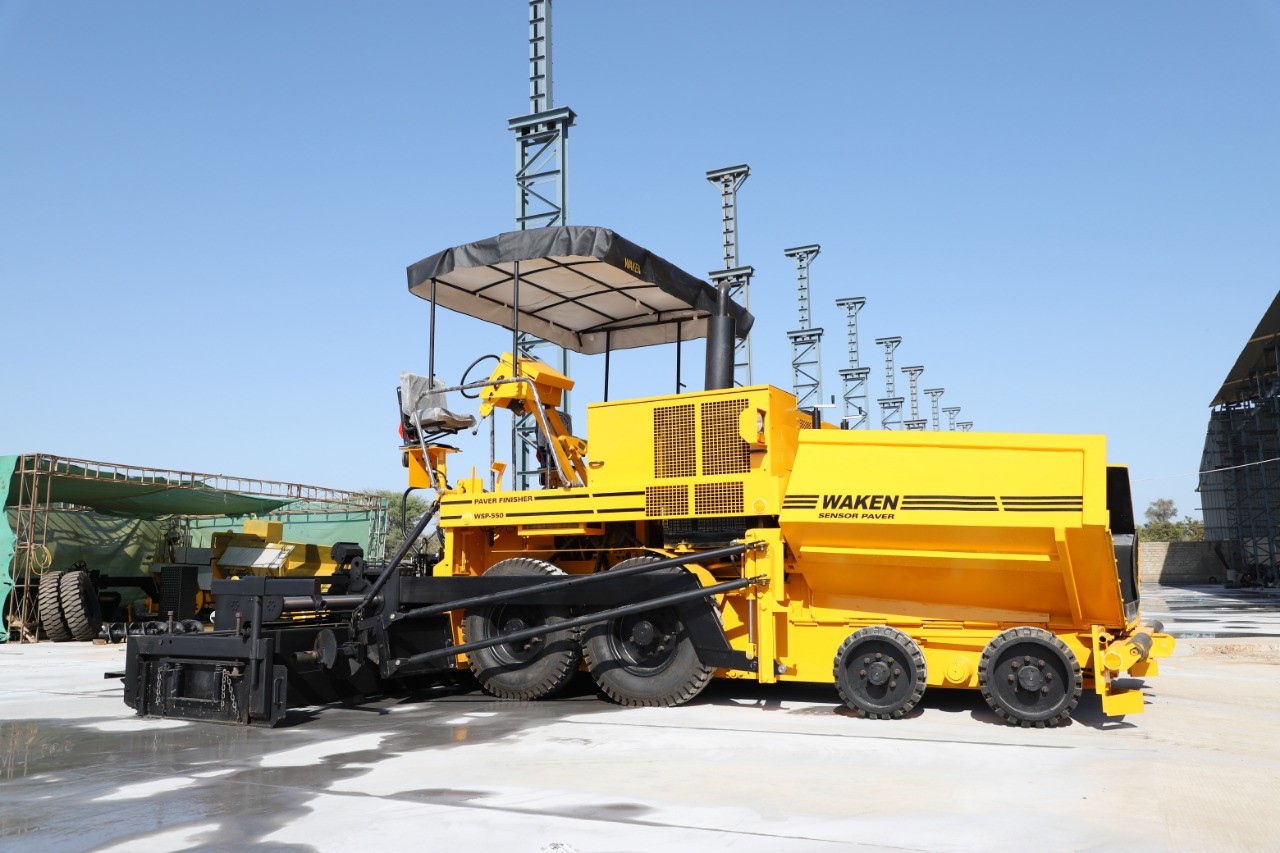
Integrating Hydrostatic Sensor Systems in Paving Operations
Introduction to Hydrostatic Sensor Systems in Paving
The integration of hydrostatic sensor systems in paving has transformed road construction from a labor-intensive, often imprecise task into a high-technology engineering process. These systems combine the power and smooth control of hydrostatic drive components with highly accurate electronic sensors to automatically manage the screed's elevation and slope. This ensures the asphalt or concrete mat is laid down with minimal deviation, guaranteeing uniform material density and thickness. For quality-focused contractors, Waken Multitech offers pavers where these advanced sensor systems are not just additions, but integral parts of the machine's design for optimal road performance.
The Role of Hydrostatic Drive in Sensor Paving
In high-precision paving, consistent travel speed is non-negotiable. The hydrostatic drive system provides a smooth, continuous power flow to the tracks or wheels, eliminating the jolts and speed fluctuations common with mechanical drives. This stable movement is critical for the sensor system, as it allows the screed to react to grade changes without introducing ripples or unevenness into the mat. When paired with responsive sensors, the hydrostatic system enables the paver to maintain a pre-set speed and profile, leading directly to superior ride quality and structural integrity of the finished road. See the difference that precision paving technology makes.
Components of Hydrostatic Sensor Systems
- Ultrasonic Sensors: Non-contact sensors that reference a datum (like a curb, existing surface, or string line) to control grade.
- Slope Sensors: Inclinometers that automatically regulate the cross-fall or crown of the paved surface.
- Controller Unit (ECU): The brain that processes sensor inputs and sends commands to the screed's hydraulic cylinders.
- Hydrostatic Pump & Motors: Provide the smooth, variable power for paver travel and component operation.
- Screed Cylinders: High-precision hydraulic actuators that adjust the screed height based on the controller's command.
Advantages of Integrated Sensor Systems
- Flatter and Smoother Surfaces: Achieves a Pavement Smoothness Index (PSI) far exceeding manual methods.
- Maximized Material Utilization: Minimizes over-paving and waste by laying the exact design thickness.
- Consistent Compaction: A uniform mat thickness allows compaction equipment to work more effectively.
- Increased Paving Speed: Automation enables continuous, fast paving without sacrificing quality.
- Operator Simplicity: Reduces the need for constant manual monitoring and adjustment, lowering fatigue.
Where Hydrostatic Sensor Systems are Essential
- National and State Highways: Required for all high-volume roads where ride comfort and durability are paramount.
- Heavy Industrial Pavements: Necessary for achieving level surfaces that can support specialized, heavy vehicle traffic.
- Multi-Layer Resurfacing Projects: Crucial for correcting existing surface irregularities on older roads efficiently.
- Toll Plazas and Bridge Approaches: Used to ensure smooth transitions between different structures and pavements.
Core Benefits for Road Contractors in India
- Guaranteed Project Acceptance: Easily meet the strict quality checks required by government and private contracts.
- Operational Cost Reduction: Savings from reduced material waste and less need for costly corrective work.
- Enhanced Reputation: Consistent delivery of superior quality pavements leads to repeat business and positive client references.
- Increased Machine Versatility: The ability to accurately pave on varying terrain and irregular existing surfaces.
Waken Multitech: Leaders in Sensor Paving Technology
As a leading supplier of paving machinery, Waken Multitech understands the demands of the modern Indian road construction sector. Our paver finishers are designed around the latest hydrostatic sensor systems to deliver maximum uptime, ease of operation, and, most importantly, measurable paving quality. We provide not just the equipment, but also the technical expertise and support necessary to integrate this technology seamlessly into your workflow, ensuring you leverage its full potential for high-grade project execution.
Maintenance and Safety Tips
- Conduct a pre-shift check on all sensor connections and mounting brackets for tightness and damage.
- Keep the sensor wands and ski shoes clean, especially when working with sticky or dusty materials.
- Ensure the hydrostatic oil is at the correct temperature and pressure before engaging the paving drive.
- Train operators to understand the sensor display readouts and the limits of the automated system.
- Regularly inspect hydraulic hoses near the screed for wear, as these are critical to sensor-driven adjustments.
FAQs – Hydrostatic Sensor Systems in Paving
Contact Details
Talk to our specialists today for tailored solutions and fast assistance.