
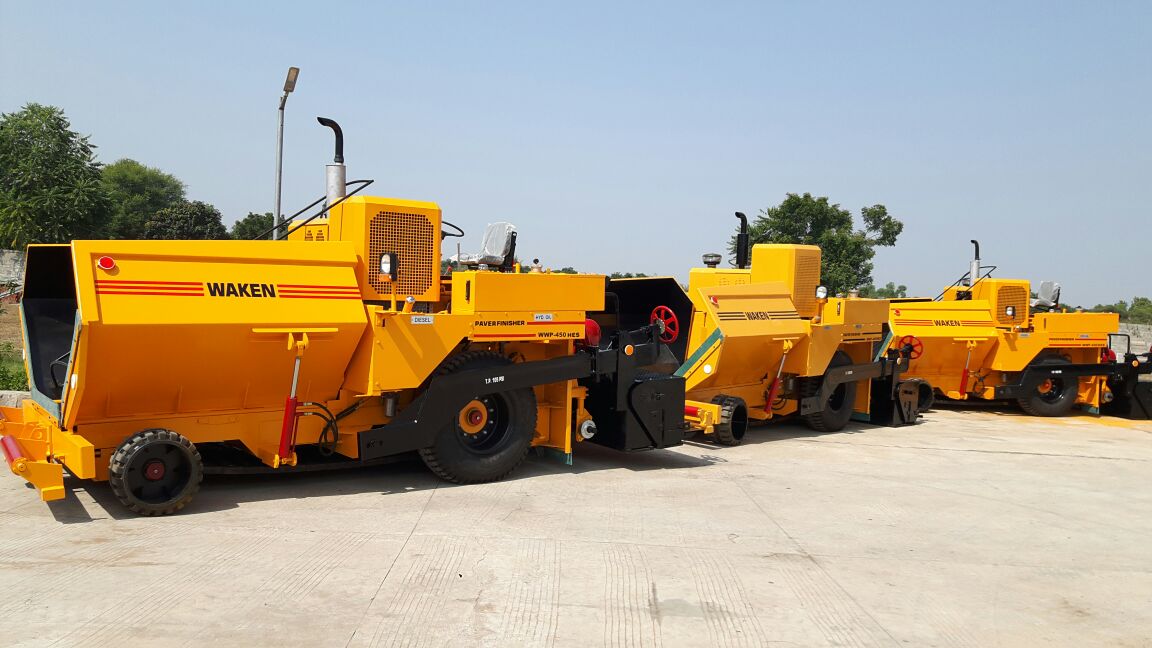
Leading Asphalt Paving Machine Supplier in India
Introduction to High Performance Asphalt Paving Machine
The asphalt paving machine, commonly known as a paver, is the core equipment in road construction, responsible for laying and partially compacting asphalt mix onto the base layer. A reliable paver is crucial for achieving the necessary smoothness, density, and thickness specified in modern highway projects. Waken Multitech specializes in manufacturing advanced, durable hydrostatic asphalt paving machines that ensure optimal performance and reduced material waste. Our machines are engineered with powerful engines and sophisticated control systems to meet the demanding schedules and quality standards of the Indian road infrastructure sector.
Key Components and Functionality of an Asphalt Paver
Every quality Asphalt Paving Machine consists of three primary functional groups: the material handling system, the tractor unit (which provides propulsion), and the screed unit. The material handling system transports the asphalt mix from the hopper to the rear. The hydrostatic tractor unit provides stable, non-slip travel, essential for a consistent paving speed. The screed is arguably the most critical component; it spreads, levels, and initiates the compaction of the asphalt mat to the specified width and profile. Waken Multitech pavers feature robust screeds with powerful heating elements for a superior finish.
Types of Asphalt Paving Machines
- Tracked Asphalt Pavers: Ideal for large, high-volume projects, providing superior traction and minimal slippage on soft sub-bases.
- Wheeled Asphalt Pavers: Offer enhanced mobility and faster setup/travel between job sites, suitable for municipal roads and smaller projects.
- Sensor-Equipped Pavers: Utilize automated grade and slope control systems for laying ultra-precise, smooth mats required for national highways.
- Mini or Utility Pavers: Compact designs for patching, sidewalks, and restricted access areas where larger machines cannot operate efficiently.
- Hydrostatic Drive Pavers: Feature a modern transmission system for smooth, precise, and infinitely variable paving speeds, enhancing mat consistency.
Design Features for Superior Mat Quality
- Hydrostatic Transmission: Delivers smooth, uninterrupted power to the tracks/wheels, eliminating jerks that can compromise mat quality.
- Automated Screed Heating: Ensures the screed remains at the optimal temperature to prevent the asphalt mix from sticking and tearing.
- High-Capacity Material Conveyors: Designed to maintain a consistent flow of material to the screed, preventing segregated or uneven mat laydown.
- Ergonomic Operator Station: Provides excellent visibility and easy access to all machine and screed controls, reducing operator fatigue and error.
- Heavy-Duty Augers and Conveyors: Built with wear-resistant materials to handle abrasive asphalt and minimize downtime for component replacement.
Typical Use Cases for Waken Asphalt Pavers
- Major Highway and Expressway Construction: Laying base, binder, and wearing courses with required precision and high output.
- Urban Road and Municipal Paving: Maneuverability of wheeled pavers is beneficial for tight turns and varying lane widths in city environments.
- Airport Runway and Taxiway Surfacing: Critical applications demanding the highest level of surface flatness and thickness uniformity.
- Industrial and Commercial Pavements: Constructing durable parking lots, container yards, and access roads with long-term performance.
Operational Benefits of Using Quality Pavers
- Enhanced Project Efficiency: High travel speed and wide paving widths reduce the time required to complete large sections of road.
- Long-Lasting Road Surfaces: Precise compaction and even material distribution lead to a dense, uniform mat that resists cracking and wear.
- Optimal Material Utilization: Advanced control systems ensure the asphalt is laid at the exact specified thickness, minimizing waste and material cost.
- Reduced Maintenance Downtime: Robust engineering and reliable hydrostatic systems minimize mechanical failures and associated repair costs.
Selecting the Right Asphalt Paving Machine
Choosing the correct **Asphalt Paving Machine** depends on the project scale, required paving width, and surface tolerance. For large national highways, a high-capacity tracked paver with sensor-leveling technology is ideal. For smaller, more frequent jobs, a wheeled, highly mobile paver may be more economical. Waken Multitech consultants work closely with clients to assess their specific needs, ensuring they invest in an asphalt machine that maximizes their productivity and achieves superior road quality, backed by dedicated technical support.
Essential Daily Checks for Paving Machines
- Inspect the screed plate, tamper bars, and vibrators for wear or damage before operation, ensuring uniform compaction.
- Check the hydraulic fluid level and cleanliness, as the hydrostatic drive relies heavily on clean fluid for performance and longevity.
- Clear any hardened asphalt mix from the augers, conveyors, and hopper to ensure smooth material flow.
- Verify the proper functioning and calibration of all leveling sensors (if equipped) to maintain grade accuracy.
- Lubricate all designated grease points according to the manufacturer's schedule to prevent premature wear on moving parts.
FAQs – Asphalt Paving Machine
Contact Details
Talk to our specialists today for tailored solutions and fast assistance.