
Mastering the Asphalt Paving Process for Durable Roads
Overview of the Asphalt Paving Process
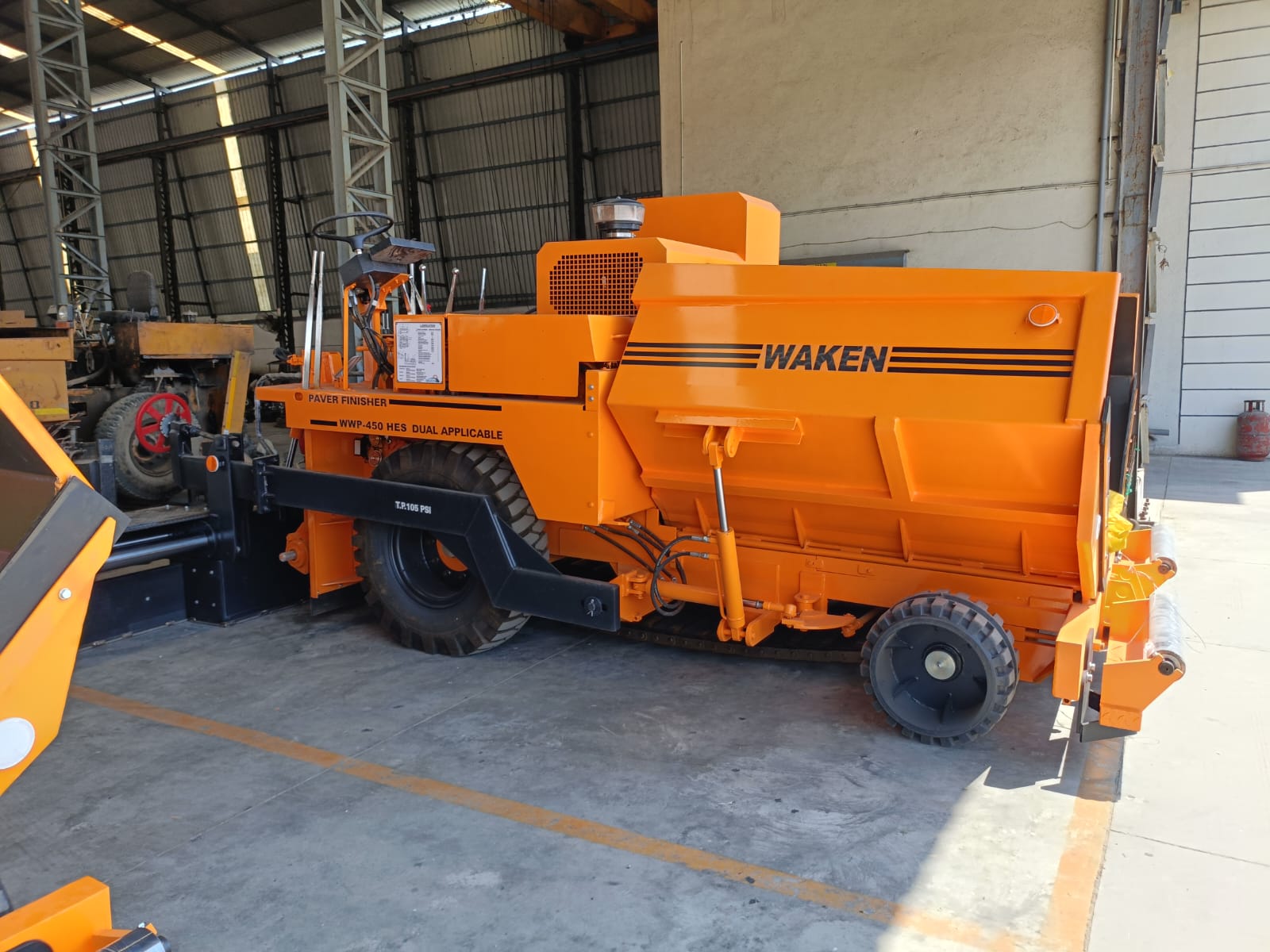
The Asphalt Paving Process is a multi-stage construction sequence that transforms a raw base into a smooth, durable road surface. A quality pavement surface depends entirely on the meticulous execution of each phase, from initial ground preparation to the final rolling. At Waken Multitech, we emphasize that our paving equipment, including pavers and rollers, is designed to enhance precision at the critical laydown and compaction stages. A flawless process minimizes potential pavement failure points, ensuring a longer-lasting infrastructure. Learn more about the machinery crucial to this quality road construction process.
Phase 1: Sub-grade and Base Preparation
The foundation is the most critical element in the entire Asphalt Paving Process. Proper sub-grade preparation involves excavating the existing surface, ensuring correct drainage slope, and compacting the native soil to a stable level. The next step is laying and compacting the aggregate base layer. This layer provides the primary structural support and must be perfectly leveled. Any defects or inconsistencies in this phase will be reflected as weaknesses in the final asphalt mat, highlighting the necessity of precision grading equipment.
Key Stages in the Paving Process
- Material Transport and Delivery: Ensuring Hot Mix Asphalt (HMA) is delivered at the specified temperature without segregation.
- Tack/Prime Coat Application: Applying a binding layer to help the new asphalt adhere properly to the underlying base or existing pavement.
- Asphalt Laydown (Paving): Using precision pavers to uniformly spread the HMA to the required thickness, width, and cross-slope.
- Breakdown Rolling (Initial Compaction): Executed immediately behind the paver to achieve the majority of the required density.
- Intermediate and Finish Rolling: Utilizing vibratory and pneumatic rollers to remove roller marks and achieve the final specified density and surface smoothness.
Critical Factors for a Successful Paving Process
- HMA Temperature Management: Maintaining the optimal temperature window during transportation, laydown, and compaction is vital for proper density.
- Consistent Paving Speed: Uninterrupted, slow, and steady paver movement ensures a smooth, non-segregated mat.
- Roller Pattern Planning: Utilizing specific, overlapping rolling patterns to guarantee uniform compaction and eliminate surface defects.
- Joint Construction: Meticulous attention to longitudinal and transverse joints to ensure a seamless, strong connection between adjacent passes or sections.
- Grade and Slope Control: Employing automatic sensors on the paver to maintain the exact design elevation and drainage slope.
Projects Requiring Meticulous Paving Processes
- High-Speed National Highways: Where smoothness (IRI) standards are extremely demanding for user comfort and safety.
- Bridge Deck Overlays: A complex process requiring precise laydown and specialized compaction to match structural requirements.
- Airport Runways: Demanding the highest level of surface integrity, flatness, and density to withstand heavy aircraft loads.
- Parking Lots and Commercial Pavement: A process focused on achieving maximum density and durability for frequent, heavy traffic use.
Why Follow a Standardized Paving Procedure?
- Increased Pavement Longevity: Proper compaction and laydown reduce air voids, which prevents water penetration and extends the pavement's service life.
- Superior Surface Smoothness: A consistent paving speed and automatic grade control results in a comfortable, high-quality ride for motorists.
- Reduced Maintenance Costs: A pavement constructed correctly using a rigorous process requires significantly less repair and premature maintenance.
- Compliance with Specifications: Following standardized procedures ensures the final pavement meets all government and engineering quality standards.
The Role of Waken Multitech in the Paving Process
As a leading supplier of road construction equipment, Waken Multitech's pavers and rollers are designed to optimize every stage of the **Asphalt Paving Process**. Our machinery features responsive controls and robust components that help contractors maintain paving consistency and achieve optimal compaction targets, leading to project success and establishing a reputation for superior quality pavement.
Best Practices for Compaction in the Paving Process
- Ensure the roller operator knows the correct rolling temperature window for the specific asphalt mix being used.
- Always start rolling on the low side (non-drive side) and progress towards the hot joint to eliminate lateral displacement of the mix.
- Avoid over-vibrating the mat, as this can cause aggregate fracture; follow manufacturer guidelines for frequency and amplitude.
- Plan the roller passes to achieve 100% coverage with the specified number of passes before the asphalt temperature drops below the final compaction temperature.
- Keep water spray systems on the roller drums operational to prevent asphalt from sticking, which degrades the final surface quality.
FAQs – Asphalt Paving Process
Contact Details
Talk to our specialists today for tailored solutions and fast assistance.