
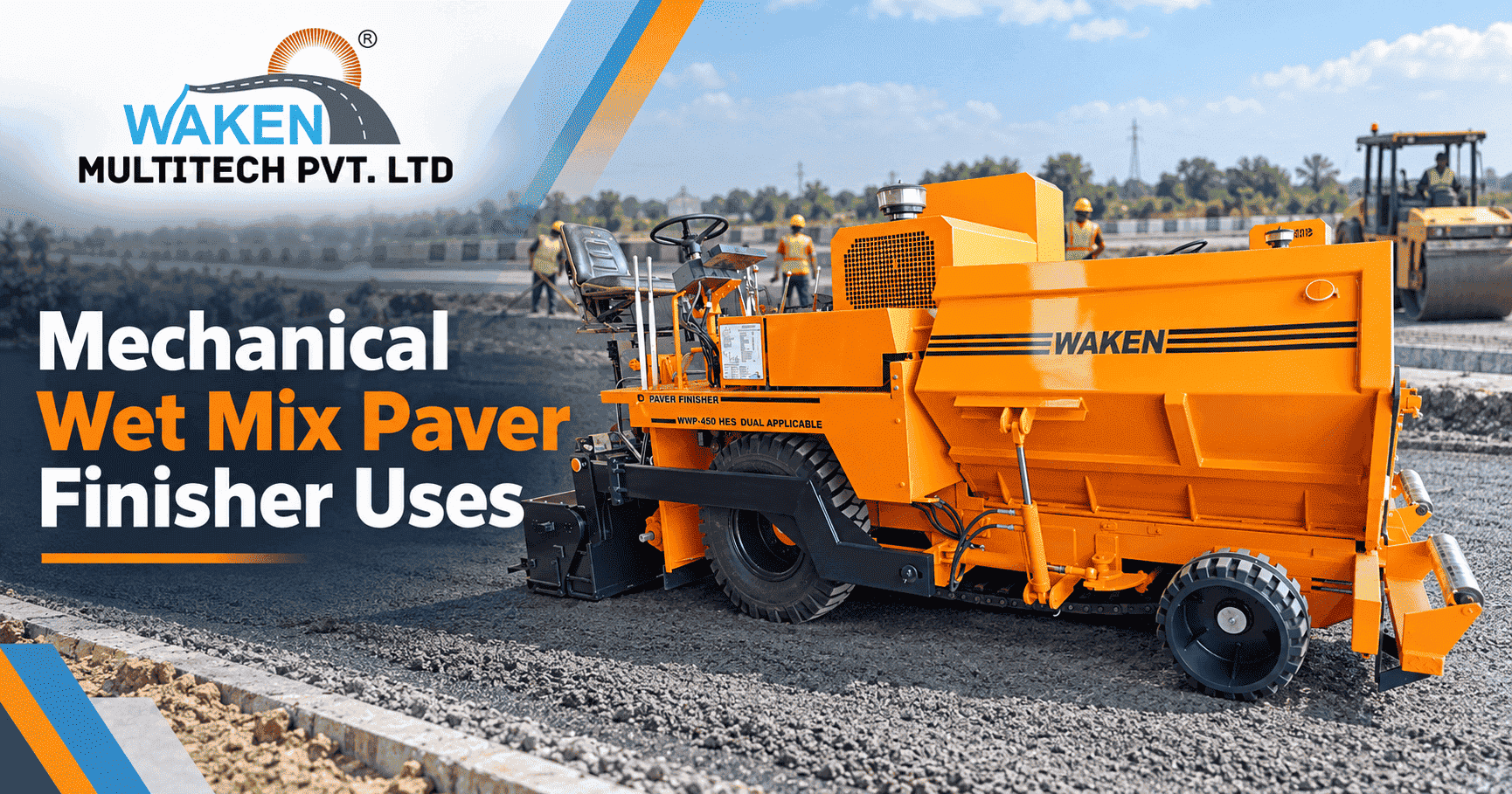
Mechanical Wet Mix Paver Finisher Uses
The construction of durable and efficient road infrastructure is paramount in modern development. Central to this endeavor is the equipment used to lay down the asphalt and other paving materials. Among these vital machines, the Mechanical Wet Mix Paver Finisher stands out for its precision and versatility. This guide explores the extensive mechanical wet mix paver finisher uses, highlighting its importance in various construction scenarios and providing insights for professionals looking to leverage its capabilities.
Understanding the Mechanical Wet Mix Paver Finisher
A Mechanical Wet Mix Paver Finisher is a sophisticated piece of construction machinery designed to lay down uniform layers of paving material, such as asphalt or concrete, with precise control over thickness and surface quality. The 'wet mix' aspect typically refers to the method of combining aggregates and binders, often involving the addition of water or emulsified bitumen during the mixing process before paving. This ensures a homogeneous mixture, which is crucial for the longevity and performance of the final road surface.
These machines are characterized by their ability to mix materials on the go or to receive pre-mixed materials and distribute them evenly across a specified width and depth. They are equipped with various components, including a towing vehicle, a hopper for receiving material, an auger system for distribution, and a screed for leveling and compacting the material. The mechanical precision in controlling these elements is what defines their utility and effectiveness in a wide array of road construction projects.
Key Mechanical Wet Mix Paver Finisher Uses and Applications
The versatility of the Mechanical Wet Mix Paver Finisher makes it indispensable across different scales and types of road construction. Its primary function is to ensure a consistent and high-quality pavement layer, but its applications extend to several specialized areas:
Highway and Expressway Construction
On large-scale projects like highways and expressways, consistency and speed are vital. Mechanical Wet Mix Paver Finishers are used to lay thick, uniform base and binder courses of asphalt or stabilized aggregates. Their ability to cover wide areas efficiently ensures that project timelines are met while maintaining the structural integrity required for high-traffic roads.
Urban Road and Street Paving
In urban environments, paver finishers handle the paving of city streets, avenues, and smaller roads. They are adept at maneuvering in confined spaces and laying materials with precision, which is crucial for achieving smooth riding surfaces and preventing water accumulation. This includes paving new roads and resurfacing existing ones.
Airport Runways and Taxiways
The demanding conditions of airport surfaces require exceptionally durable and smooth pavement. Mechanical Wet Mix Paver Finishers are employed for laying asphalt on runways, taxiways, and aprons. The precise screed control ensures the required smoothness and evenness, critical for aircraft safety and operational efficiency.
Industrial Areas and Parking Lots
Large industrial complexes, warehouses, and expansive parking lots require robust paving solutions. These finishers are used to lay down durable surfaces capable of withstanding heavy vehicle loads and constant wear. The consistent material distribution ensures a long-lasting finish.
Rural Roads and Access Paths
Beyond major arteries, mechanical paver finishers are also used for constructing and maintaining rural roads, farm tracks, and access paths. They provide an efficient method for applying necessary layers, improving connectivity and accessibility in less densely populated areas.
Stabilized Base Layers
A significant application involves laying stabilized base layers using wet mix macadam (WMM) or soil-stabilized materials. The paver finisher's ability to accurately meter and distribute these mixtures, often incorporating cement or lime with aggregates and moisture, is key to creating a strong foundation for the final pavement structure.
Practical Benefits of Using Mechanical Wet Mix Paver Finishers
The adoption of mechanical wet mix paver finishers brings several tangible advantages to road construction projects:
- Enhanced Pavement Quality: Precise control over material thickness and screed adjustments leads to smoother, more uniform pavements with reduced segregation of aggregates.
- Increased Efficiency and Speed: These machines can lay material much faster than manual methods, significantly reducing project completion times.
- Material Optimization: Accurate distribution ensures optimal use of paving materials, minimizing waste and reducing overall project costs.
- Improved Durability: A well-laid, homogeneous layer contributes to a longer service life for the road, reducing maintenance needs.
- Versatility in Materials: Capable of handling various mixes, including asphalt, lean concrete, WMM, and other stabilized bases.
- Operator Comfort and Safety: Modern designs often include ergonomic controls and improved operator cabins, enhancing safety and reducing fatigue.
Buyer's Guide: Selecting the Right Mechanical Wet Mix Paver Finisher
Choosing the appropriate mechanical wet mix paver finisher depends on a variety of factors related to project scope, materials used, and operational environment. Here’s a breakdown of key considerations:
Paving Width and Depth Requirements
Consider the typical widths of the roads or surfaces you'll be paving. Paver finishers come with extendable screeds to achieve various widths. Ensure the machine can comfortably cover your standard job requirements, from narrow urban streets to wide highways. Also, evaluate the required paving depth capabilities to ensure it meets project specifications.
Material Handling Capacity
The size of the hopper dictates how much material the paver can hold, influencing the frequency of truck refueling. Larger hoppers reduce downtime but can increase the machine's footprint. Assess your typical project sizes and the capacity of your material supply chain to determine the optimal hopper size.
Mobility and Maneuverability
For projects involving tight urban areas or complex site layouts, maneuverability is key. Tracked pavers generally offer better stability and weight distribution on soft ground, while wheeled pavers offer higher travel speeds between sites. Evaluate the trade-offs based on your common working environments.
Technology and Features
Modern paver finishers offer advanced features like automated grade and slope control systems (e.g., laser or GPS), hydraulic extensions for screeds, and sophisticated material flow management. These technologies enhance precision, reduce labor, and improve surface quality. Decide which features are essential for your operational needs and budget.
Ensuring Quality: Checks Before and During Operation
Maintaining the performance and output of a mechanical wet mix paver finisher involves rigorous checks:
Pre-Operation Checks:
- Inspect all hydraulic hoses and connections for leaks.
- Verify the condition of tracks or tires for wear and tear.
- Check fluid levels (hydraulic, engine oil, coolant).
- Test all electrical and control systems.
- Ensure the screed is clean, undamaged, and properly adjusted.
- Confirm the augers and conveyors are functioning correctly.
During Operation:
- Monitor material flow consistency into the screed.
- Regularly check the pavement surface for uniformity in thickness and texture.
- Ensure the screed temperature is optimal for the material being laid.
- Calibrate and verify the accuracy of any automated grade and slope control systems.
- Maintain appropriate travel speeds relative to material laydown rates.
Reliable Solutions for Your Paving Needs
At Waken Multitech Pvt. Ltd., we understand the critical importance of reliable and efficient paving equipment for successful infrastructure development. While specific product details for mechanical wet mix paver finishers are not available within the provided research context, our commitment is to provide robust solutions that meet the demanding requirements of the construction industry. We focus on delivering equipment designed for performance, durability, and operational efficiency, ensuring that your projects are completed to the highest standards.
Our approach is centered on understanding the unique challenges faced by construction professionals. We aim to support your endeavors with machinery that offers precision, speed, and long-term value. Whether you are involved in large-scale highway projects, urban road improvements, or specialized industrial applications, the right equipment is key to achieving optimal results. We are dedicated to offering dependable machinery that contributes to the success of your construction objectives.
Frequently Asked Questions
What is the primary function of a wet mix paver finisher?
The primary function is to lay down uniform layers of paving materials like asphalt or stabilized aggregates with controlled thickness and a smooth finish, ensuring the structural integrity and surface quality of roads and other paved surfaces.
What types of materials can a mechanical wet mix paver finisher handle?
These machines can typically handle a variety of materials including asphalt concrete, lean concrete, wet mix macadam (WMM), soil-stabilized mixtures, and other granular materials used in road construction.
How does the 'wet mix' aspect benefit pavement construction?
The 'wet mix' process, often involving controlled addition of moisture or binders during mixing, helps create a more homogeneous and cohesive material. This leads to improved compaction, reduced voids, and ultimately, a more durable and longer-lasting pavement.
Are these machines suitable for small paving jobs?
While often associated with large-scale projects, smaller and more maneuverable mechanical paver finishers are available and suitable for urban streets, driveways, and other smaller paving applications where precision is still required.
What is the difference between wheeled and tracked paver finishers?
Wheeled pavers are faster for transport between job sites but can exert higher ground pressure. Tracked pavers offer superior stability, better flotation on soft ground, and more even weight distribution, making them ideal for challenging terrain or large projects.
Ready to Enhance Your Paving Operations?
Invest in equipment that guarantees quality, efficiency, and reliability for your next project. Discover how advanced paving technology can transform your construction outcomes.
Explore Solutions