
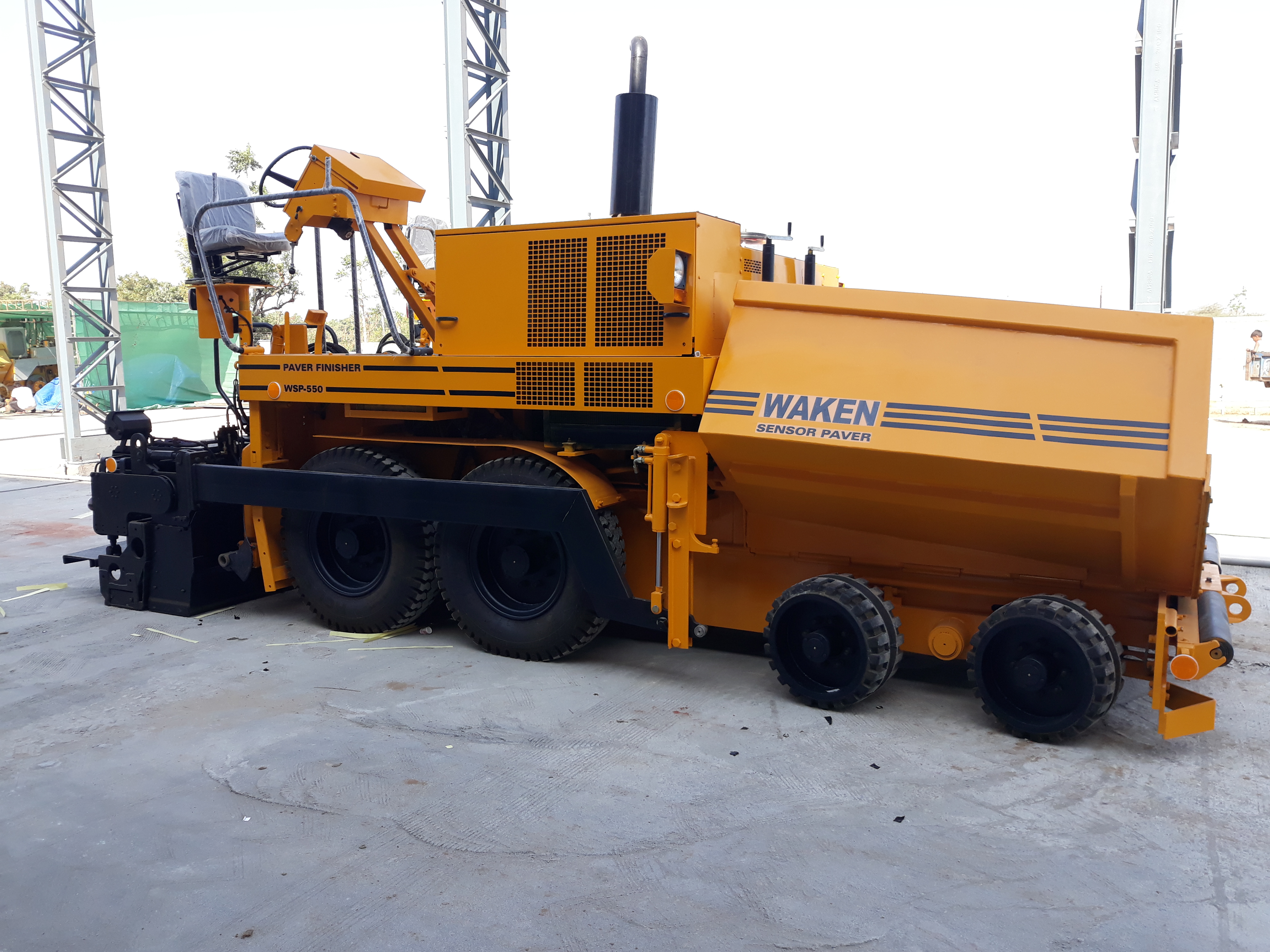
Introduction to Paver Finisher with Hydrostatic Sensor
A Paver Finisher with Hydrostatic Sensor technology is an advanced road construction machine that combines precise, fluid power with intelligent automation. The hydrostatic drive offers exceptionally smooth, stepless control over paving speed, while electronic sensors provide real-time automatic adjustments to the screed's height and slope. This synergy is essential for constructing modern, high-quality pavements in India, especially for projects like expressways and airport runways where surface smoothness and accuracy are paramount. Investing in such sophisticated road building equipment ensures superior results and long-term pavement performance.
Working Principle and Process Flow of Paver Finisher with Hydrostatic Sensor
The operational flow of a Paver Finisher with Hydrostatic Sensor is seamless and automated. Hot mix asphalt is loaded into the hopper and conveyed to the augers by a system smoothly powered by the hydrostatic drive. The key element is the array of electronic sensors (sonic, laser, or 3D GPS) that read a pre-set reference line. This data is processed by an onboard computer, which instantly directs the screed's hydraulic cylinders to maintain the precise grade and slope. The result is a perfectly uniform asphalt mat, laid with millimeter accuracy, making it a cornerstone of modern road construction solutions.
Types of Paver Finisher with Hydrostatic Sensor
- Crawler Mounted Pavers: Offer superior stability and traction, essential for achieving the smoothest finish on large-scale new highway projects.
- Wheeled Pavers: Provide excellent mobility and speed, making them the preferred choice for overlay work and urban road construction.
- Compact Sensor Pavers: Smaller models designed for high-precision paving in confined spaces like city lanes, tunnels, and bridge decks.
- High-Density Screed Pavers: Equipped with advanced screeds that deliver higher initial compaction, reducing the need for extensive roller work.
- Wide-Format Pavers: Large machines capable of paving widths over 10 meters, ideal for joint-free paving of multi-lane expressways.
Key Features and Specifications of Paver Finisher with Hydrostatic Sensor
- Features non-contact grade sensors and slope sensors for unmatched paving accuracy and consistency.
- Powered by an efficient hydrostatic drive system for smooth, stepless control of all functions.
- Advanced screed with powerful vibration and tamper bars for excellent pre-compaction and surface texture.
- User-friendly control panels with integrated diagnostics for easy operation and troubleshooting on site.
- Robust construction and high-quality wear parts ensure long service life in demanding Indian conditions.
Applications of Paver Finisher with Hydrostatic Sensor
- National Expressway Projects: The go-to machine for building India's network of world-class expressways, consistently delivering the ultra-smooth surfaces required for safe, high-speed travel and meeting strict quality norms.
- International Airport Construction: Essential for paving airport runways, taxiways, and aprons, where absolute precision in surface level and smoothness is critical for aircraft safety during takeoff and landing operations.
- High-Speed Rail Corridors: Utilized for laying the precise asphalt base layers for ballastless track systems in high-speed rail projects, where foundation accuracy is crucial for the stability and performance of the tracks.
- Major Urban Infrastructure: Deployed in the construction of key arterial roads and ring roads in metropolitan cities, ensuring durable, high-quality pavements that can withstand heavy traffic and reduce long-term maintenance costs.
Benefits of Using Paver Finisher with Hydrostatic Sensor
- Superior Pavement Quality: The primary benefit is the exceptionally smooth and accurate finish it produces, leading to better ride comfort, enhanced safety, and a longer lifespan for the road surface itself.
- Optimized Material Consumption: By laying the asphalt mat to the precise specified thickness without deviation, these pavers eliminate costly material wastage, offering significant savings on large-scale projects and better resource management.
- Enhanced Operational Efficiency: The combination of smooth hydrostatic movement and automatic controls allows for faster, continuous paving operations, significantly boosting productivity and helping meet tight project deadlines with ease.
- Reduced Reliance on Manual Skill: Automation of grade and slope control reduces the potential for human error, ensuring consistent quality regardless of operator fatigue and reducing the need for highly skilled manual screed operators.
Top Manufacturers and Suppliers in India
The Indian market for high-tech Paver Finishers with Hydrostatic Sensors is serviced by world-leading manufacturers who have a significant presence in the country. Companies like Vogele, Volvo, Dynapac, and Ammann are the preferred choice for major infrastructure contractors due to their machines' proven performance, reliability, and precision. These suppliers offer a range of models, from wheeled to tracked pavers, all equipped with the latest sensor technology. For Indian buyers, the decision is often guided not just by the machine's capabilities but also by the strength of the supplier's after-sales support, including nationwide service networks, operator training, and prompt availability of spare parts for maximum uptime.
Maintenance and Safety Tips
- Ensure daily calibration of all electronic sensors to guarantee paving accuracy throughout the operation.
- Keep the sensor units and their wiring clean and protected from physical damage or moisture.
- Regularly inspect the hydrostatic drive system, including fluid levels, filters, and hoses, for optimal performance.
- Only allow operators who have received specific training on the advanced control systems to run the machine.
- Verify that the screed's heating and vibration systems are functioning correctly before starting any paving job.
FAQs – Paver Finisher with Hydrostatic Sensor
Contact Details
Talk to our specialists today for tailored solutions and fast assistance.