
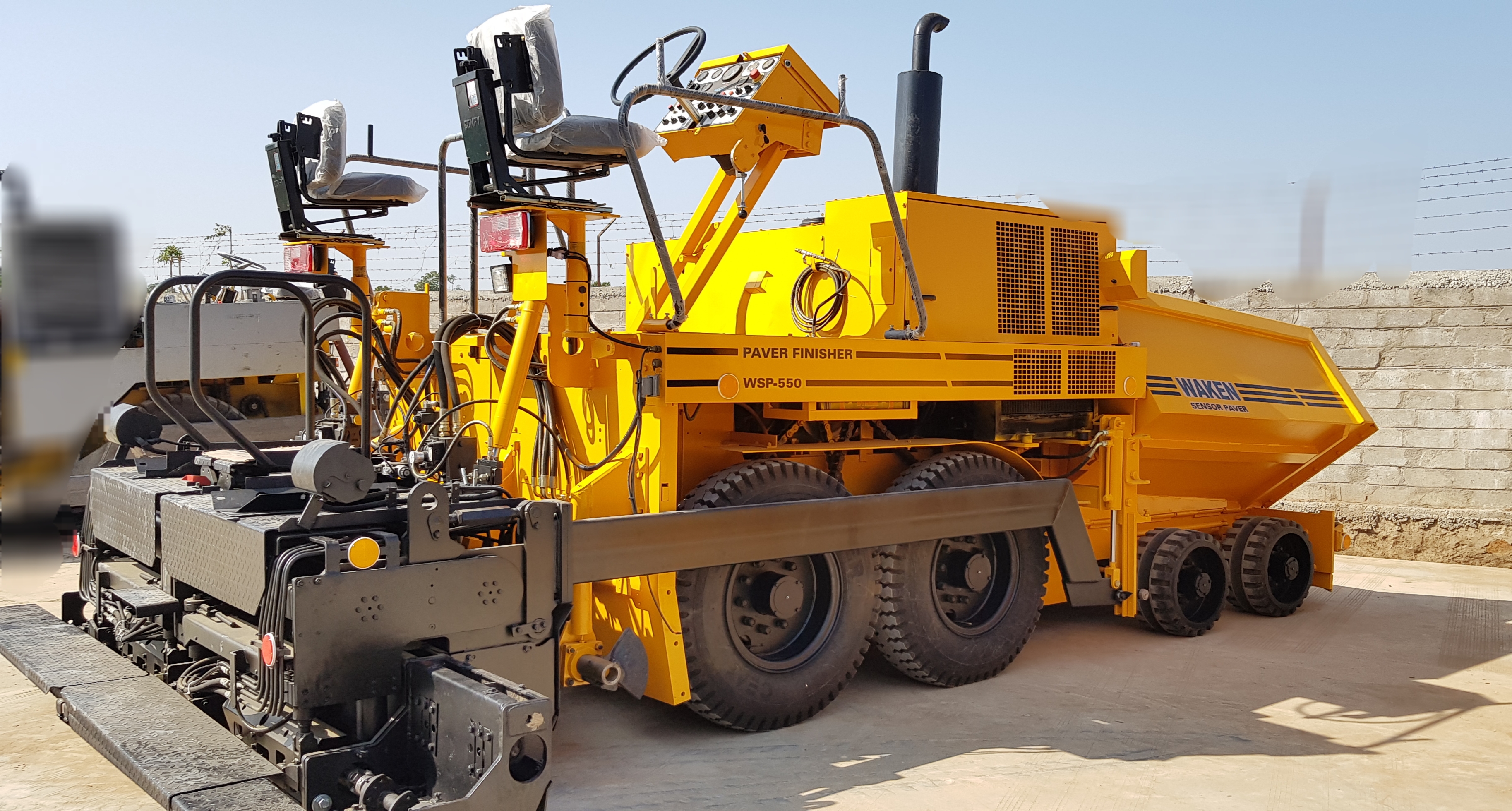
Introduction to Paver Machine For Road
Road paver machines automate uniform laying of asphalt or wet concrete across highways, urban streets, and industrial campuses. A hopper receives mix, conveyors feed the screed, and sensors maintain grade and slope for superior smoothness. Contractors in India prefer fuel-efficient, low-maintenance models supporting varied widths and thicknesses. For purchasing guidance, explore specialized road construction solutions and compare screed heating, hydraulics, and electronics for lifecycle value.
Working Principle and Process Flow of Paver Machine For Road
Material is dumped into the hopper, then twin conveyors deliver it to augers that pre-level the mat. The screed, with vibration and tamping, sets thickness while automatic grade controls maintain consistent crown and slope. Hydraulics adjust paving width, and heating stabilizes screed temperature to avoid segregation. Compaction follows with rollers to achieve density. Learn integration with rollers and plants via end-to-end paving equipment resources aligned to Indian site conditions.
Types of Paver Machine For Road
- Tracked asphalt paver for highways; superior traction, stability, and glide over uneven sub-base during continuous long stretches.
- Wheeled asphalt paver for urban jobs; faster relocations, tight turning, and efficient patchwork around congested intersections.
- Screed-extension paver enabling variable widths; ideal for service roads, shoulders, and lane additions without frequent repositioning.
- Concrete slipform paver with integrated vibrators; delivers monolithic slabs where high durability and joint control are critical.
- Mini paver for footpaths and narrow lanes; compact footprint, economical operation, and precise mat thickness in tight spaces.
Key Features and Specifications of Paver Machine For Road
- Electronic grade and slope control maintaining ±3 mm thickness tolerance across variable site contours and crowns.
- High-capacity hopper and dual conveyors ensuring uniform feed, reduced segregation, and consistent mat texture.
- Heated vibratory screed with quick warm-up, adjustable vibration frequency, and robust wear plates for longevity.
- Hydraulic screed extensions with intuitive controls enabling rapid width changes and repeatable edge quality.
- Low-noise, fuel-efficient engine meeting Bharat Stage norms; simplified service access and extended maintenance intervals.
Applications of Paver Machine For Road
- National and state highways requiring uniform ride quality, controlled crossfall, and reliable throughput to meet strict construction windows and density targets under diverse climatic conditions across India.
- City streets, bus corridors, and BRT lanes where minimal disruption, precise thickness, and quick mobilization help maintain traffic flow and ensure long-lasting surfaces with reduced pothole formation.
- Industrial estates, logistics parks, and airport service roads needing durable pavements, consistent compaction readiness, and quality screed finishes for heavy wheel loads and frequent turning movements.
- Rural connectivity, PMGSY roads, and village access paths demanding cost-effective paving, flexible width control, and dependable output on variable sub-base conditions with limited onsite resources.
Benefits of Using Paver Machine For Road
- Improved ROI through faster laying speeds, reduced material wastage, and fewer corrective overlays, delivering predictable lifecycle costs for contractors executing EPC, item-rate, or turnkey projects.
- Superior surface uniformity and ride comfort thanks to automated grade controls, consistent screed temperature, and optimized auger distribution minimizing segregation and cold spots.
- Lower labor intensity as mechanized feeding and screed compaction reduce manual leveling, enabling crews to focus on joints, edges, and safety-critical tasks.
- Scalable deployment from narrow lanes to multi-lane corridors using hydraulic extensions, standard automation, and interoperable controls supporting future upgrades and digital QA workflows.
Top Manufacturers and Suppliers in India
India’s road paver market includes domestic OEMs and global brands manufacturing locally to suit climate, materials, and site conditions. Buyers typically evaluate paving width, screed heating, fuel efficiency, and grade automation. Nationwide distributors offer commissioning, operator training, wear parts, and periodic service contracts. Many suppliers provide telematics for usage analytics and preventive maintenance scheduling. Contractors should compare total cost of ownership, availability of spares, and proven references across highways, urban corridors, and industrial campuses to select a reliable, support-backed machine.
Maintenance and Safety Tips
- Inspect hopper wings, conveyors, and augers daily for wear, misalignment, or trapped debris.
- Clean screed plates after shifts; lubricate bearings and moving linkages per OEM intervals.
- Verify grade sensors, tow-point heights, and screed crown settings before each paving start.
- Train crew on hot-mix handling, pinch-point hazards, reversing alarms, and emergency stops.
- Maintain critical spares onsite; store fluids, filters, and belts in dust-free conditions.
FAQs – Paver Machine For Road
Contact Details
Talk to our specialists today for tailored solutions and fast assistance.