
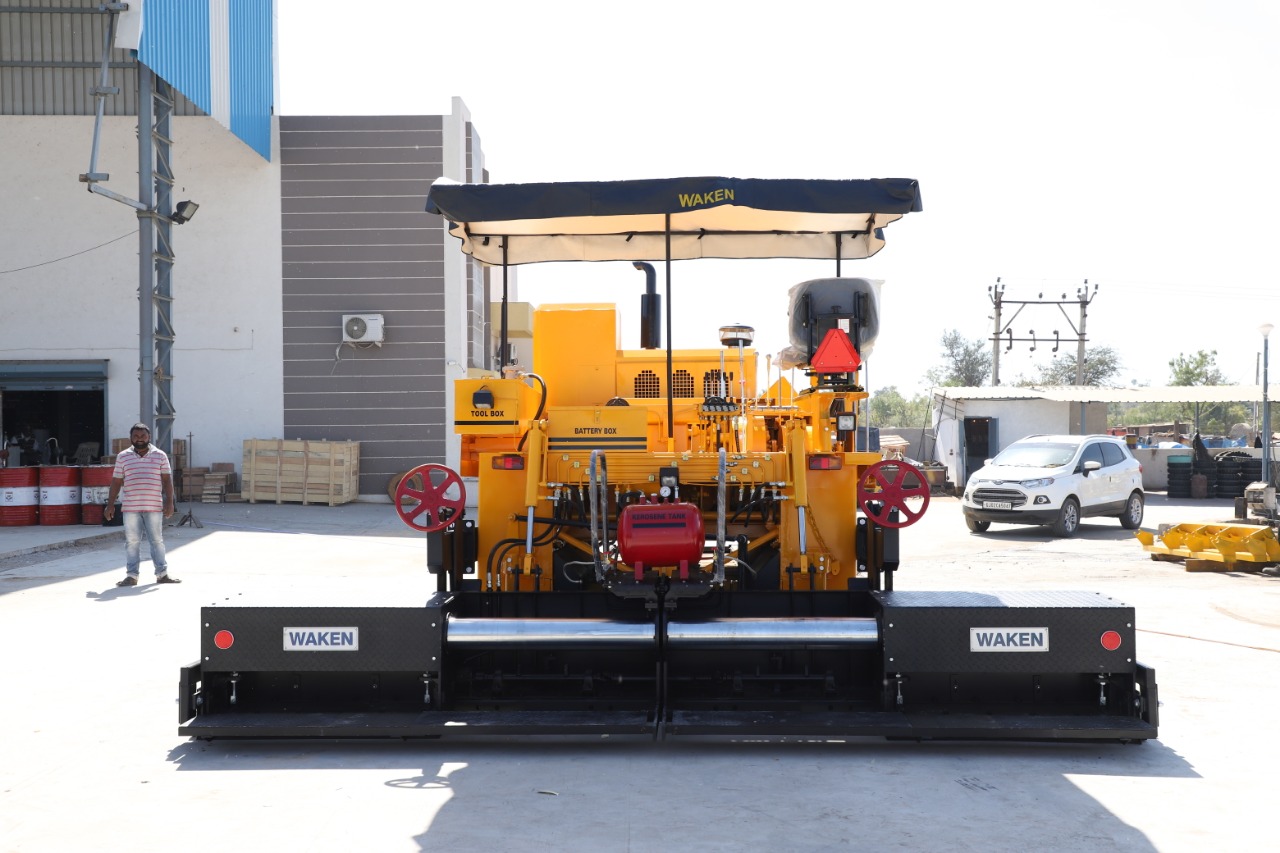
Paving Accuracy with Sensor Technology
Introduction to Sensor-Based Paving Accuracy
Achieving superior paving accuracy with sensor technology is the new standard in modern road construction. Traditional paving methods are prone to human error, resulting in uneven surfaces and material wastage. Advanced sensor pavers utilize real-time data from sonic tracers, laser receivers, or 3D GPS systems to automatically adjust the screed height and slope. This ensures the asphalt mat is laid with unparalleled precision, meeting strict tolerances required for highways, airport runways, and high-speed tracks. Waken Multitech is at the forefront, providing machines that guarantee exceptional accuracy.
How Sensor Technology Ensures Precision
The core of paving accuracy lies in the paver's ability to maintain a consistent mat thickness and slope, independent of the base layer's imperfections. Sensor technology creates a "virtual reference" for the paver to follow. For instance, a sonic sensor can average the height from a string line or existing pavement, sending continuous signals to the paver's hydraulic system. These hydraulics make micro-adjustments to the screed's tow points, correcting deviations instantly. This closed-loop system operates faster and more accurately than any human operator, ensuring the final surface is perfectly smooth and compliant with project specifications.
Types of Sensors for Paving Accuracy
- Sonic Averaging Beams (Skis): Use multiple ultrasonic sensors to average out bumps in the underlying base, ideal for overlay projects.
- Laser-Guided Systems: Follow a precise plane of light set up by a rotating laser, perfect for flat surfaces like parking lots and industrial floors.
- 3D GPS/GNSS Control: Utilizes satellite positioning and a digital project model, allowing for complex slope and grade changes without string lines.
- Cross-Slope Sensors: Automatically maintain the correct camber or superelevation of the road, critical for drainage and vehicle safety.
- Contact String Line Sensors: A physical wand traces a tightly pulled string line for highly accurate, traditional grade control.
Features Enhancing Paving Accuracy
- High-Response Hydraulic Valves: Enable instant, precise adjustments to the screed position as dictated by the sensors.
- Independent Screed Control: Allows for simultaneous and independent adjustment of both grade (height) and slope.
- Digital Control Boxes: Provide operators with clear readouts and easy calibration of sensor settings for different job requirements.
- Robust Sensor Mounts: Ensure sensors remain stable and fixed in their calibrated position, even during heavy vibration.
- Integrated System Diagnostics: Help operators quickly identify and troubleshoot any issues within the sensor or hydraulic control loop.
Applications Where Accuracy is Critical
- Airport Runways and Taxiways: Require extreme flatness and smoothness for the safety of high-speed aircraft landings and take-offs.
- High-Speed Highways and Expressways: A smooth surface (low IRI) is essential for driver comfort, safety, and long-term pavement durability.
- Formula 1 and Racing Tracks: Demand millimeter-level accuracy to ensure fair and safe racing conditions.
- Large Commercial and Industrial Slabs: Need perfectly level floors for automated warehouse operations (AGVs) and heavy racking.
Key Advantages of Sensor-Driven Paving
- Superior Surface Smoothness: Drastically reduces bumps and deviations, leading to a higher quality finish and better rideability.
- Significant Material Savings: By laying the mat to the exact design thickness, sensor technology eliminates over-use of expensive asphalt.
- Reduced Rework: Achieves specified grade and slope on the first pass, saving time and labor costs associated with corrective grinding or re-paving.
- Increased Operational Speed: Automation allows the paver to run at a consistent, optimal speed without stopping for manual grade checks.
Choosing a Partner for Paving Accuracy
When your project demands the highest levels of paving accuracy with sensor technology, selecting the right equipment supplier is crucial. Waken Multitech provides more than just machinery; we offer a complete accuracy solution. This includes expert consultation on selecting the right sensor package for your application (e.g., sonic, laser, or 3D), comprehensive operator training, and responsive field support to ensure your technology is calibrated and performing flawlessly from day one, maximizing your return on investment.
Calibrating Sensors for Peak Accuracy
- Always calibrate sensors at the start of each paving day and after any reference change to ensure a correct starting point.
- Ensure string lines (if used) are tight, secure, and set at the correct offset, as the sensor's accuracy depends entirely on its reference.
- Regularly clean sensor heads (sonic, laser) to prevent dirt or asphalt buildup from obstructing readings and causing errors.
- Check hydraulic connections and hoses for leaks, as consistent hydraulic pressure is vital for the screed's responsive adjustments.
- Train your crew to understand the digital control box, enabling them to make fine-tuning adjustments for material mix and weather conditions.
FAQs – Paving Accuracy and Sensor Technology
Contact Details
Talk to our specialists today for tailored solutions and fast assistance.