
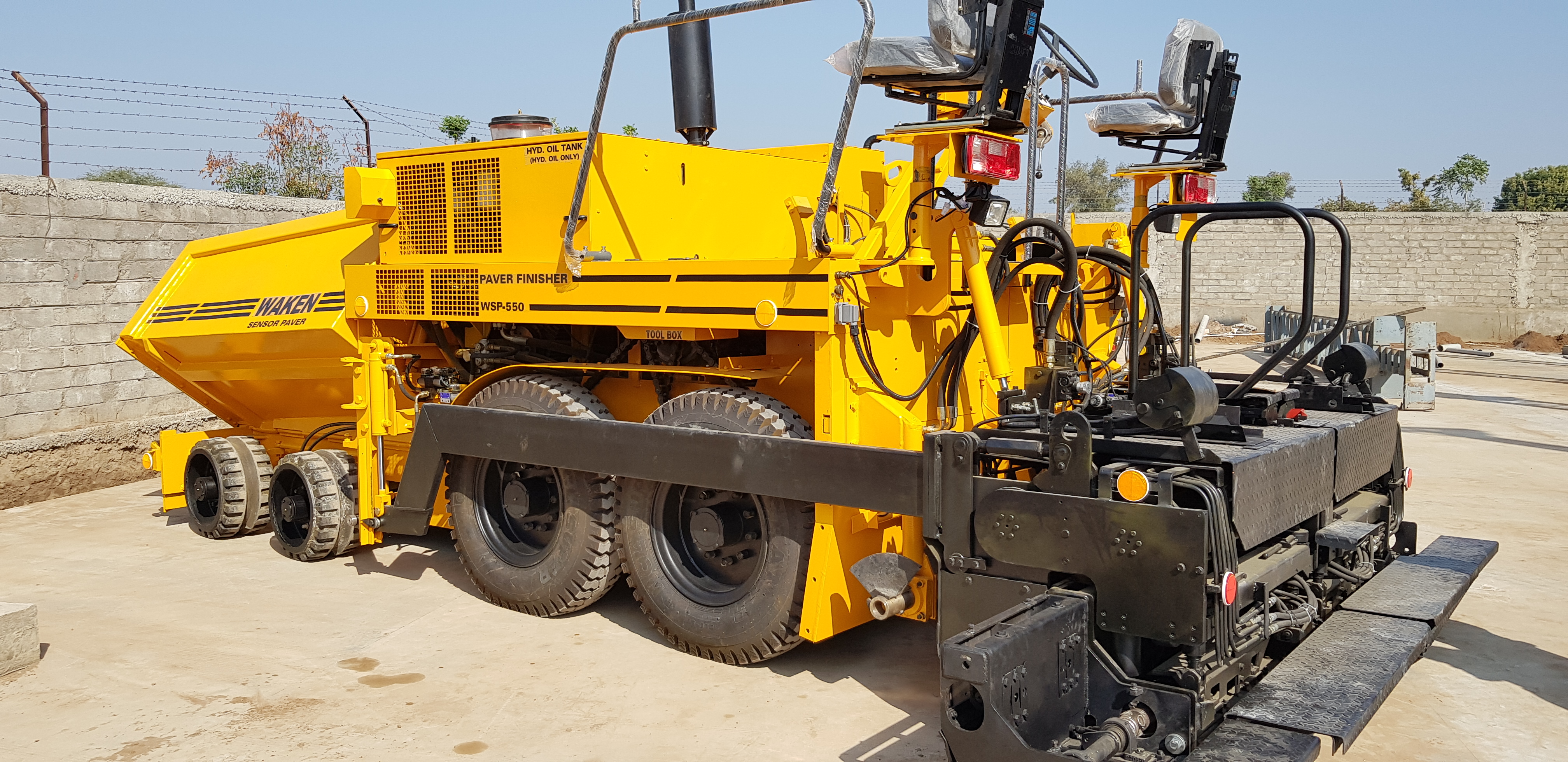
Reliable Hydrostatic Sensor Pavers for Exceptional Accuracy
Introduction to Reliable Hydrostatic Sensor Pavers
Reliable hydrostatic sensor pavers represent the pinnacle of asphalt finishing technology, combining proven durability with automated precision. The hydrostatic drive system ensures seamless, uninterrupted material laydown, which is essential for a smooth surface. When paired with advanced sensor technology (like sonic or laser controls), these pavers automatically maintain the correct pavement thickness and slope, regardless of uneven base conditions. This combination drastically minimizes errors, ensures compliance with strict highway specifications, and is highly sought after by top contractors in India for critical infrastructure projects. Waken Multitech offers a robust selection of these precision paving machines.
Working Principle of Precision Sensor Pavers
The operational efficiency of a sensor paver is rooted in its closed-loop feedback system. The hydrostatic transmission provides smooth, precise travel speed, forming the base of control. Sensors mounted on the screed read a reference (like a string line or existing pavement) and transmit tiny height/slope adjustments to the screed's hydraulic cylinders. This automatic adjustment happens continuously, correcting grade and slope variations in real-time. This eliminates human error and guarantees a consistent, high-quality mat. This technology, crucial for achieving road smoothness indices, ensures a longer-lasting, safer road surface from the first pass.
Types of Sensor-Equipped Pavers
- Tracked Hydrostatic Pavers: Offer maximum traction and flotation, ideal for soft or uneven ground conditions often found on large-scale highway projects.
- Wheeled Hydrostatic Pavers: Provide excellent maneuverability and faster travel speed between paving spots, suitable for municipal road work.
- Concrete Slipform Pavers: Utilize advanced sensors for laying concrete barriers and roads with extreme precision in height and width.
- High-Capacity Sensor Finishers: Designed with wider screeds and larger hoppers to handle the material volume required for multi-lane expressways.
- Extended Screed Pavers: Equipped with sensor control on the main and extensions to ensure uniform density across wide paving widths.
Reliability Features of Hydrostatic Sensor Pavers
- Heavy-Duty Undercarriage: Built to withstand constant heavy loads and long operating hours without structural failure.
- Self-Diagnostic Systems: Integrated electronics monitor crucial machine health parameters to alert operators before critical failures occur.
- Protected Sensor Wiring: Critical sensor cables are shielded and routed safely to prevent damage from debris and environmental exposure.
- High-Flow Hydraulic Cooling: Ensures the hydrostatic system maintains optimal operating temperature for continuous, reliable power transfer.
- Durable Wear Plates: Hardened steel components in the screed and material flow system resist wear from abrasive asphalt mix, ensuring longevity.
Applications Demanding Sensor Precision
- International and National Highway Construction: Where surface tolerance and smoothness criteria are extremely strict and non-negotiable.
- Airport Runways and Taxiways: Requires the highest degree of flatness for aircraft safety and to withstand massive dynamic loads.
- Bridge Decks and Elevated Structures: The consistent material placement is essential to maintain structural integrity and correct drainage slopes.
- Resurfacing and Overlay Projects: Sensors accurately reference the existing worn surface to create a perfectly leveled new mat, using minimal material.
Key Advantages of Reliable Sensor Technology
- Unmatched Pavement Smoothness: Automated grade control ensures a mat that meets the highest IRI (International Roughness Index) standards.
- Material and Cost Savings: Precise thickness control prevents over-laying material, resulting in significant savings on expensive asphalt mix.
- Reduced Need for Rework: The accuracy of the sensors means the pavement is correct the first time, eliminating costly and time-consuming corrections.
- Enhanced Operational Reliability: The hydrostatic system, known for fewer mechanical parts, offers better durability and requires less routine maintenance than mechanical drives.
Choosing a Trusted Sensor Paver Supplier
When investing in reliable hydrostatic sensor pavers, the partnership with the supplier is paramount. Waken Multitech is recognized for not only manufacturing robust machines but also for providing comprehensive training on sensor operation and diagnostic support. Reliability extends beyond the machine's components; it includes guaranteed access to genuine parts and expert service technicians who understand the nuances of the hydrostatic and electronic control systems, ensuring minimal operational disruption on your high-stakes projects.
Maintenance for Hydrostatic and Sensor Systems
- Regularly check and top up the hydrostatic system fluid, ensuring clean filters to prevent contamination, which is vital for system health.
- Calibrate the grade and slope sensors before each shift or whenever the reference line is changed, ensuring paving accuracy.
- Inspect all sensor connections and cables for physical damage or loose fittings that could interrupt the automated control signal.
- Keep the paver's hydraulic components clean and look for small leaks, as hydrostatic systems rely on sealed integrity for optimal performance.
- Ensure operators are trained to properly set up and troubleshoot sensor faults to quickly resume high-precision paving.
FAQs – Reliable Hydrostatic Sensor Pavers
Contact Details
Talk to our specialists today for tailored solutions and fast assistance.