
Revolutionizing Roadways with Advanced Asphalt Paving Technology
Introduction to Modern Asphalt Paving Technology
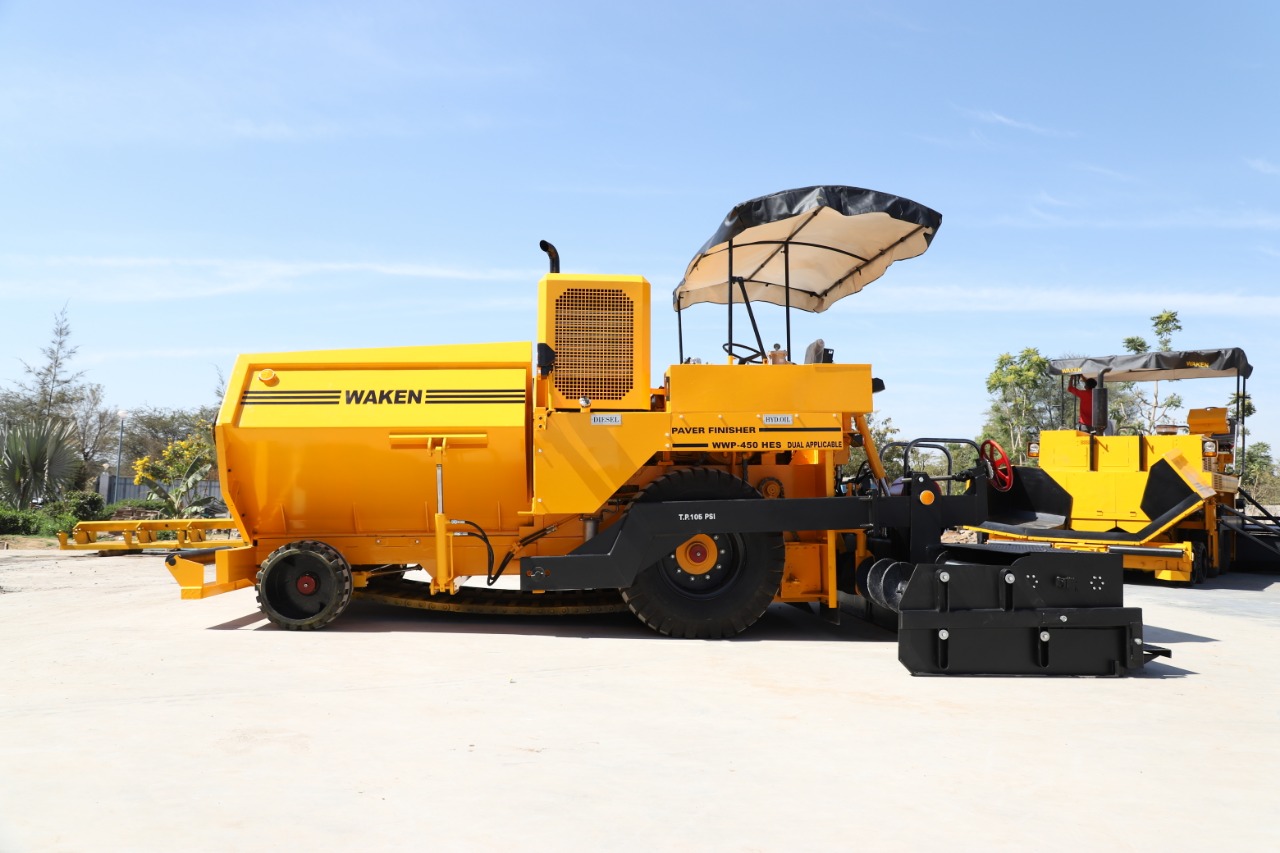
The landscape of road construction is continually advanced by cutting-edge asphalt paving technology. This includes the shift from older mechanical systems to sophisticated hydrostatic drive systems and the integration of highly accurate grade and slope sensors. Modern pavers, like those engineered by Waken Multitech, are designed to maximize efficiency, minimize material wastage, and deliver the highest possible International Roughness Index (IRI) standards. Utilizing the latest technology ensures superior mat quality, consistency, and a longer lifespan for the paved surface, which is critical for infrastructure projects across India.
Key Components of Precision Paving Technology
Effective asphalt paving technology relies on the seamless operation of several key components. Central to this is the hydrostatic drive, which provides smooth, variable speed control crucial for continuous paving. The screed system, which compacts and finishes the asphalt, features precise heating and vibration controls. Most importantly, automated grade and slope control systems use sonic or laser sensors to maintain the exact mat thickness and cross-slope, correcting deviations in real-time. This level of automation ensures the machine performs optimally under diverse operating conditions.
Technological Innovations in Paving
- Hydrostatic Transmission Systems: Offer precise speed control and increased torque with fewer moving parts for enhanced reliability.
- Automated Grade Control (AGC): Utilizes sonic, laser, or GPS/GNSS sensors for millimeter-level accuracy in thickness and slope.
- Variable Width Screeds: Allow for on-the-go adjustment of paving width, improving flexibility across different project specifications.
- Integrated Telematics: Provides remote monitoring of machine performance, diagnostics, and material consumption for better project management.
- High-Frequency Vibration: Ensures uniform compaction and density throughout the asphalt layer before roller passes.
Advantages of Advanced Paving Technology
- Increased Efficiency: Faster laydown rates and reduced downtime due to self-diagnostic capabilities and robust component design.
- Superior Pavement Quality: Achieves tighter tolerance in flatness and slope, leading to exceptionally smooth and durable roads.
- Material Optimization: Precise sensor control prevents over-thickness, resulting in considerable savings on expensive asphalt mix.
- Operator Comfort and Safety: Modern cabins feature ergonomic controls and advanced visibility for safer and less fatiguing operation.
- Long-Term Reliability: Components are built for severe duty cycles, ensuring the machine remains productive for years with minimal maintenance needs.
Where Advanced Paving Technology is Essential
- National and State Highway Expansion: For long stretches of road requiring high speed, uniform quality, and adherence to national standards.
- Toll Plaza and Interchange Construction: Where complex geometries and transitions require precision maneuvering and grade consistency.
- Urban Municipal Road Upgrades: Smaller machines with high maneuverability for work in confined spaces with tight specifications.
- Industrial and Port Pavements: Requiring extra thickness and uniform density to withstand extreme weight and continuous heavy traffic.
Ensuring Road Quality with Modern Technology
- Maximizing Surface Life: Precise paving prevents early road degradation caused by inconsistent thickness or poor compaction.
- Meeting Strict Compliance: Automated systems ensure the finished mat meets all contractual grade, slope, and smoothness requirements.
- Reduced Environmental Impact: More efficient operations mean less fuel consumption and lower emissions per unit of paved area.
- Faster Project Completion: Reliable, high-performance machines minimize delays and accelerate the paving schedule.
Selecting the Right Paving Technology Partner
Partnering with a manufacturer known for engineering excellence in asphalt paving technology, such as Waken Multitech, guarantees access to machines built for the demanding Indian market. We provide comprehensive technical support and operator training, ensuring your team can fully leverage the advanced features of our hydrostatic sensor pavers. Our commitment to reliable machinery means maximizing your uptime and ensuring project profitability.
Maintenance Checklist for Paving Technology Systems
- Adhere strictly to the manufacturer's schedule for hydrostatic fluid and filter changes, using only recommended fluids to protect the system.
- Regularly check and clean all sensor reference points (wires, skis, sonics) to ensure accurate grade readings are being fed to the system.
- Inspect the electrical harnesses for the automated control system for any wear, abrasion, or damage that could disrupt data flow.
- Verify the proper functioning of the screed heating system, as uniform temperature is vital for achieving optimal asphalt finish and density.
- Calibrate the grade sensors frequently, especially after transporting the paver or performing significant maintenance on the screed assembly.
FAQs – Advanced Asphalt Paving Technology
Contact Details
Talk to our specialists today for tailored solutions and fast assistance.