
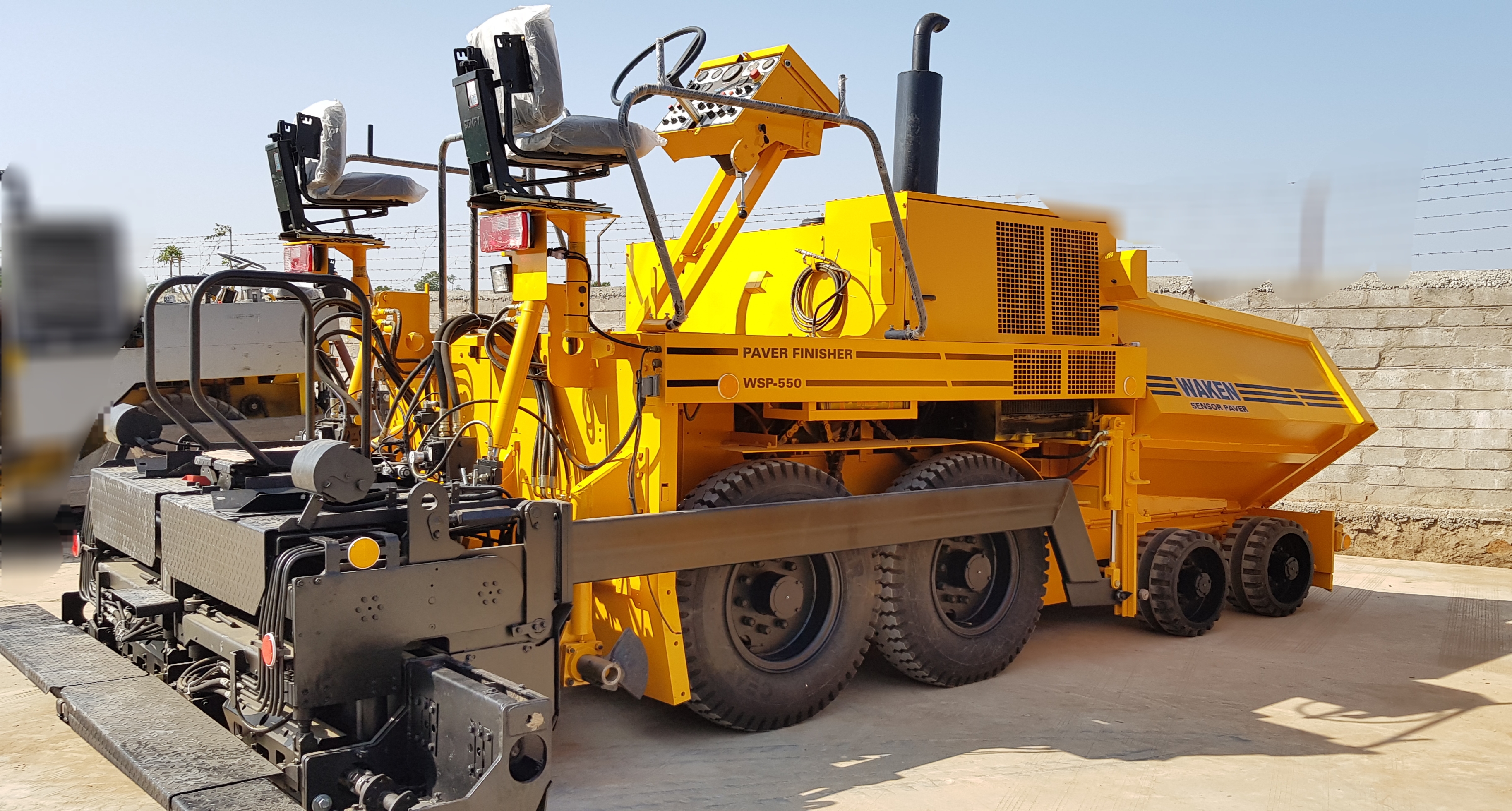
Introduction to Sensor Paver With Hydraulic Conveyor
Sensor Paver With Hydraulic Conveyor is designed for precise mat thickness, smooth material flow, and consistent paving on urban, rural, and highway projects. Advanced sensors control screed elevation and cross slope, while hydraulic conveyors ensure uniform feed without segregation. Indian contractors value the machine’s productivity, fuel efficiency, and robust chassis that withstands demanding site conditions. Integrated controls simplify setup and monitoring for mixed crew experience levels. For technical highlights and compatible attachments, visit this manufacturer information page to understand options suited for asphalt, wet mix, and interlocking block bases.
Working Principle and Process Flow of Sensor Paver With Hydraulic Conveyor
Material from tippers is transferred into the hopper where twin hydraulic conveyors feed it evenly to augers. Proportional valves regulate conveyor speed to match paving rate, minimizing thermal segregation. Sonic or contact sensors maintain screed thickness and slope via automatic actuators, delivering consistent compaction ahead of rolling. Operator panels allow fine adjustments for edges, crown, and zero-speed transitions. The result is a stable mat with minimal waves and joints across variable widths. Explore additional control philosophies on this paving controls overview for calibration, diagnostics, and routine test procedures.
Types of Sensor Paver With Hydraulic Conveyor
- Fixed-width highway pavers for national corridors; best for uniform lanes, predictable logistics, and consistent, repeatable productivity targets.
- Extendable screed pavers handling variable widths; suitable for city arterials where flexibility and reduced rework deliver scheduling advantages.
- Compact pavers with narrow tracks for lanes, service roads, and bridges; optimized for constrained spaces and lighter base layers.
- Tyre-mounted pavers enabling faster site mobility; preferred where frequent relocations and minimal surface disturbance are necessary.
- Heavy-duty tracked pavers focused on traction, stability, and longevity; ideal for thick mats, gradients, and demanding aggregate mixes.
Key Features and Specifications of Sensor Paver With Hydraulic Conveyor
- Sensor-controlled screed with 3D-ready slope and grade control, maintaining target thickness within tight tolerances.
- Dual hydraulic conveyors with proportional speed control synchronize material flow to paving output for uniform mats.
- Robust chassis, heat-resistant components, and guarded drives enhance durability and on-site safety compliance.
- Intuitive operator console with diagnostics, auto-calibration routines, and memory presets for recurring job profiles.
- Quick-change wear parts, centralized lubrication points, and strong dealer support reduce downtime and lifecycle cost.
Applications of Sensor Paver With Hydraulic Conveyor
- Highway mainline paving where uniform layer thickness, smooth transitions, and fewer joints improve ride quality, reduce post-compaction efforts, and support faster commissioning of traffic-ready corridors.
- Urban arterial upgrades requiring flexible widths, dependable edges, and tight schedules, improving surface drainage, lane safety, and overall project efficiency across dense, time-constrained city networks.
- Airport taxiways and service roads needing accurate slope control and resilient mats, supporting compliance with specifications, heavy wheel loads, and long service life under demanding operational cycles.
- Industrial estate roads and logistics parks demanding robust surfaces, predictable productivity, and minimal rework, lowering lifecycle costs while maintaining accessibility for heavy equipment and seasonal traffic.
Benefits of Using Sensor Paver With Hydraulic Conveyor
- Improved return on investment through reduced material wastage, consistent mat density, and fewer corrective passes, enabling higher daily outputs and better utilization of crew and equipment resources.
- Enhanced finish quality with sensor-guided screed control, delivering accurate slope, thickness, and texture that supports better compaction, longer pavement life, and superior riding comfort.
- Meaningful time savings from synchronized conveyors and augers, minimizing stoppages, improving truck cycling, and reducing manual interventions during demanding peak production windows.
- Scalable performance across widths and mixes, with strong traction, safety interlocks, and compliance-friendly controls supporting diverse Indian standards and contractor workflows.
Top Manufacturers and Suppliers in India
India’s market for Sensor Paver With Hydraulic Conveyor includes established road machinery brands and specialized regional manufacturers. Typical offerings feature tracked or wheeled undercarriages, extendable screeds, proportional conveyors, and reliable sensor packages. Buyers usually prioritize dealer coverage, parts availability, operator training, and after-sales service. Vendors commonly support asphalt, wet mix macadam, and reclaimed mixes with appropriate wear parts and heat protection. Evaluating payload compatibility, grade control options, and electrical architecture helps align machines with corridor, urban, and airport projects. Many suppliers also provide rental support, commissioning assistance, and periodic calibration services to maintain specification compliance.
Maintenance and Safety Tips
- Inspect sensors, cables, and connectors daily; verify secure mounts and damage-free harness routing.
- Clean hopper, conveyors, and augers; apply lubricants at specified intervals to prevent premature wear.
- Calibrate screed thickness and slope routinely; record settings after mix or width changes.
- Train operators on lockouts, hot-surface hazards, and spotting protocols around trucks.
- Stock critical spares and maintain covered storage to protect electronics from dust and moisture.
FAQs – Sensor Paver With Hydraulic Conveyor
Contact Details
Talk to our specialists today for tailored solutions and fast assistance.