
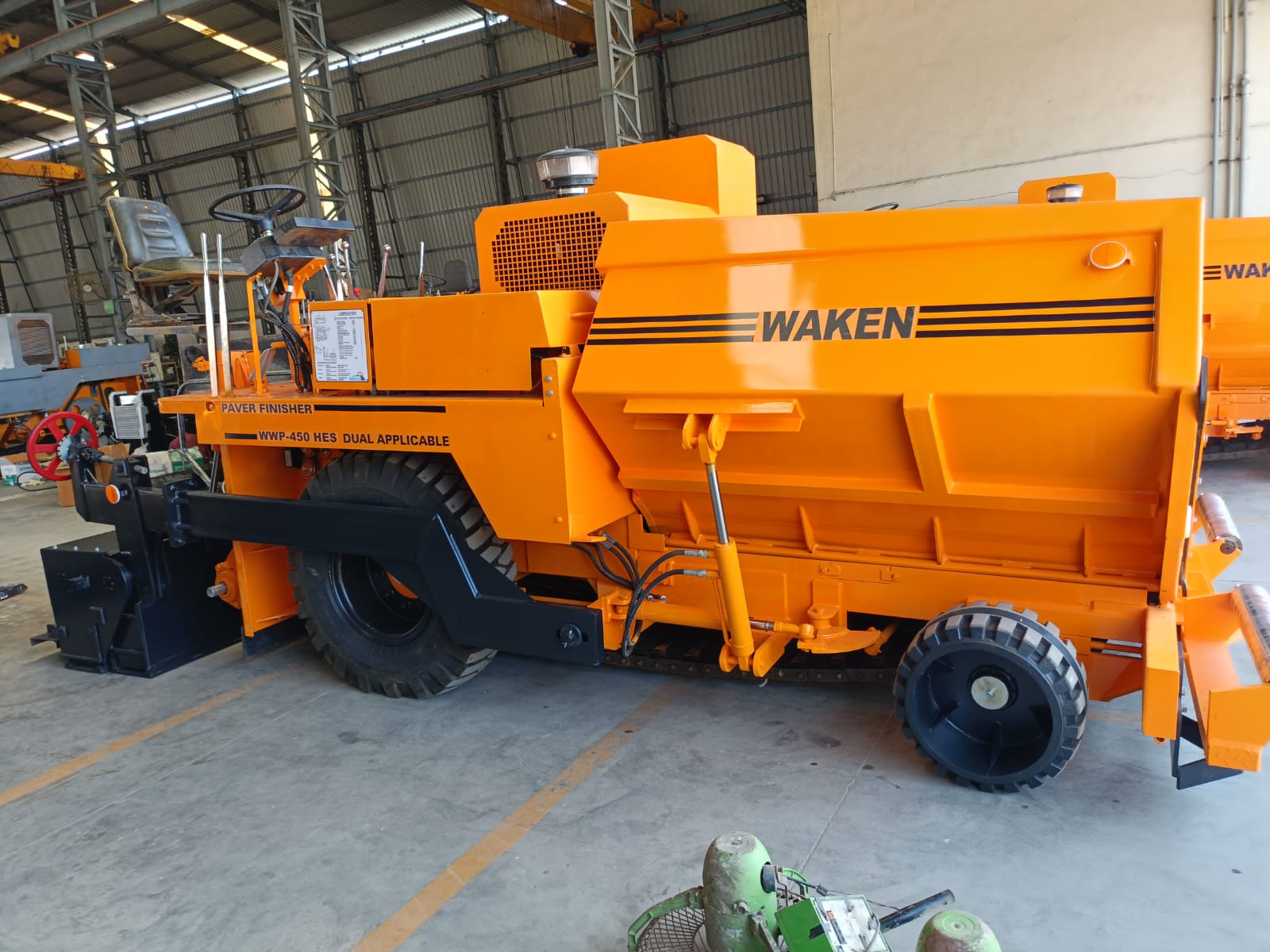
Understanding Critical Asphalt Paver Specifications
Decoding Asphalt Paver Specifications for Optimal Choice
Asphalt Paver Specifications are the blueprint for machine performance and project suitability. Before any major investment, contractors must thoroughly analyze these technical details, which range from engine horsepower and hopper capacity to the crucial paving width and screed type. These specifications determine the paver's overall efficiency, production capacity, and ability to meet the stringent demands of modern road construction projects. Waken Multitech offers a variety of pavers, each with robust specifications tailored for high-volume work across India's diverse terrains. View our detailed road finisher technical data.
Key Performance Specifications Defined
Selecting the right machine requires understanding the primary Asphalt Paver Specifications. The Paving Width Capacity (maximum and minimum width) dictates the machine's versatility across multi-lane highways and narrow city streets. The Hopper Capacity and Material Throughput (tons per hour) directly relate to productivity and the ability to maintain continuous paving. Furthermore, the type of drive (tracked vs. wheeled) and the power output of the engine (HP) are critical for maneuverability and performance under heavy load and steep grades.
Essential Mechanical Specifications
- Engine Power (HP/kW): Determines the paver's ability to push heavy trucks and operate all hydraulic functions simultaneously.
- Operating Weight (kg): Crucial for transport regulations and stability during large-width paving passes.
- Screed Type (Fixed/Extending): Defines the machine's ability to quickly adjust paving width for varying job requirements.
- Maximum Paving Thickness (mm): Indicates the machine's capability to lay deep base and binder layers effectively.
- Fuel Tank Capacity (L): Impacts the paver's ability to run for extended periods without refueling, crucial for maximizing efficiency.
Critical Operational Specifications
- Paving Speed (m/min): The typical working speed at which the paver can maintain mat quality and consistency.
- Travel Speed (km/h): Important for wheeled pavers for quick movement between job sites without separate transport.
- Material Feed System: Specifies the type of conveyors and augers (e.g., hydraulic, independent) and their capacity to prevent segregation.
- Grade Control Interface: Details the compatibility with advanced leveling systems like sonic, laser, or 3D GPS technology.
- Vibration/Tamping Frequency (Hz): Indicates the screed's ability to provide high initial compaction before rolling.
Specifications Tailored to Project Needs
- Highway Construction: Requires high paving width capacity and a robust engine specification for high-speed, continuous laydown over long distances.
- Urban Road Resurfacing: Calls for narrower minimum paving width and excellent maneuverability, often favoring wheeled paver specifications.
- Industrial Site Paving: Demands high maximum paving thickness specs to handle heavy-duty base course applications.
- Slope and Grade Projects: Necessitates powerful tracked drive specifications for maximum grip and stability on inclines.
Why Specifications Matter to Your Bottom Line
- Optimized Machine Match: Choosing the right specs ensures the paver is perfectly suited to the dominant type of work, maximizing productivity.
- Regulatory Compliance: Knowing the weight and dimension specifications is essential for legal road transport within different regions.
- Accurate Cost Estimation: Fuel consumption, production capacity, and maintenance specs allow for precise job costing and bidding.
- Future-Proofing Investment: Investing in pavers with modern control and engine specifications ensures compatibility with future technology and standards.
Consulting Waken Multitech for Paver Specifications
Waken Multitech provides clear, comprehensive **Asphalt Paver Specifications** backed by experienced technical consultants. We help clients interpret these details to select the optimal paver that balances initial cost with long-term performance, efficiency, and maintenance requirements, ensuring every machine is perfectly aligned with the client's high-demand project profile.
Technical Maintenance Based on Specifications
- Adhere strictly to the manufacturer's oil and fluid specifications for the engine and hydraulic system to maintain warranty and performance.
- Monitor the screed's electrical resistance specifications to ensure the heating elements are drawing the correct current and heating uniformly.
- Verify the track or tire tension specifications regularly, as improper tension impacts stability, drive efficiency, and component life.
- Document and track the hour meter specification to schedule proactive maintenance based on operational usage, not calendar time alone.
- Always check the hydraulic pressure specifications at key points to diagnose issues in the drive or screed extension systems accurately.
FAQs – Asphalt Paver Specifications
Contact Details
Talk to our specialists today for tailored solutions and fast assistance.