
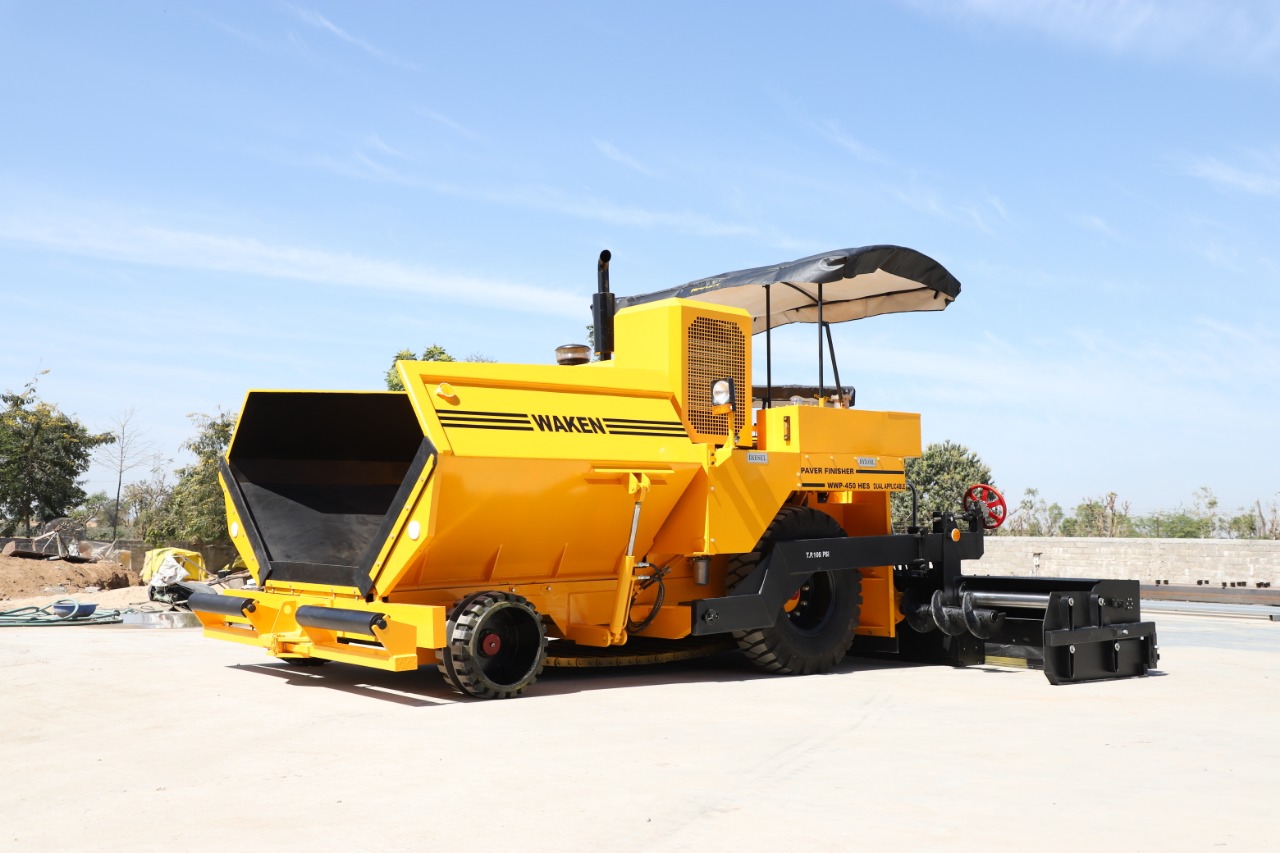
Core Wet Mix Paver Application in Road Construction
Introduction to Wet Mix Paver Application
The primary Wet Mix Paver Application is the precise and uniform laying of Wet Mix Macadam (WMM) or other granular sub-base and base course materials. This crucial foundational layer determines the overall strength, longevity, and load-bearing capacity of the final road structure. Waken Multitech's Wet Mix Pavers (WMP) are engineered to handle the high density and specific moisture content of WMM, ensuring accurate thickness and slope control. Proper WMP application is non-negotiable for projects requiring compliance with stringent national and international highway quality standards, laying the groundwork for a durable asphalt or concrete surface layer.
Key Applications of Wet Mix Macadam Pavers
Wet Mix Pavers are specialized machines that excel in applying non-bituminous, moisture-laden road materials. Unlike asphalt pavers, they are built to manage the challenging, dense composition of WMM. The machine's robust material handling system ensures continuous flow and accurate screed setting, essential for achieving the required grade and camber across the road width. This precise application is vital to minimize segregation and moisture loss, two factors that severely impact the final layer compaction and strength.
Paving Materials Managed by WMP
- Wet Mix Macadam (WMM) Base: The most common application, forming the stiff load-bearing layer beneath the bituminous surface course.
- Granular Sub-Base (GSB): Pavers can efficiently lay and spread various GSB materials to provide drainage and uniform support.
- Dry Lean Concrete (DLC): Used as a base for rigid (concrete) pavements, often applied by specialized versions of WMPs or combination pavers.
- Crushed Stone Base: Spreading untreated aggregates quickly and uniformly across a wide area before compaction.
- Soil Stabilization Layers: Applying mixtures of soil, cement, or lime with precise thickness and width control.
Critical Application Requirements Met by Pavers
- Uniform Material Spreading: Ensuring the WMM is spread consistently without segregation of fine and coarse aggregates.
- Accurate Thickness Control: Hydraulic screed controls allow for the precise, specified thickness of the base layer, preventing material wastage.
- Maintaining Grade and Camber: The paver accurately follows the required road profile, which is crucial for water drainage and layer stability.
- High Productivity Output: The ability to lay large volumes of WMM efficiently, speeding up the entire road construction timeline.
- Minimizing Contamination: Applying the material in a controlled manner reduces the risk of sub-grade contamination into the base layer.
Infrastructure Projects Utilizing WMP Application
- National and State Highways: Constructing the main structural layers where high traffic load and durability are paramount.
- Rural Road Networks: Providing a stable, all-weather base course to improve connectivity and withstand monsoons.
- Industrial Zones and Logistics Parks: Laying robust pavement foundations to support continuous movement of heavy vehicles and storage loads.
- Runways and Airfield Bases: Requiring extremely flat and high-strength base layers for safety and operational demands.
Operational Benefits of WMP Application
- Superior Compaction Results: Uniformity in spreading leads to even density and superior final compaction by rollers.
- Faster Project Completion: The high output of the paver significantly accelerates the base course construction phase.
- Material Optimization: Precision thickness control minimizes material overruns, resulting in substantial cost savings.
- Enhanced Structural Integrity: A precisely laid base course provides a stable platform, increasing the overall lifespan of the road.
Selecting the Right Wet Mix Paver
For successful Wet Mix Paver Application, choosing a machine from a reliable manufacturer like Waken Multitech is essential. Our pavers are designed with high-torque conveyor systems and sturdy screeds to handle the abrasive, high-density WMM efficiently. We ensure that our equipment delivers maximum uptime and the application accuracy required by modern infrastructure specifications. Investing in quality pavers guarantees that the foundational base course is laid perfectly, minimizing issues in subsequent paving layers.
Tips for Optimal Wet Mix Laying
- Ensure the underlying sub-grade is properly prepared, compacted, and free of excess moisture before starting the WMM application.
- Maintain a consistent material delivery rate to the paver hopper to ensure uninterrupted, continuous paving and prevent cold joints.
- Regularly check the screed settings (crown and slope) to maintain the desired profile, especially when paving on curves or slopes.
- Verify the moisture content of the WMM mix before paving, as optimal moisture is crucial for achieving target density during compaction.
- Coordinate paver speed precisely with material supply and roller capacity to ensure the mix is compacted at the right temperature and time.
FAQs – Wet Mix Paver Application
Contact Details
Talk to our specialists today for tailored solutions and fast assistance.